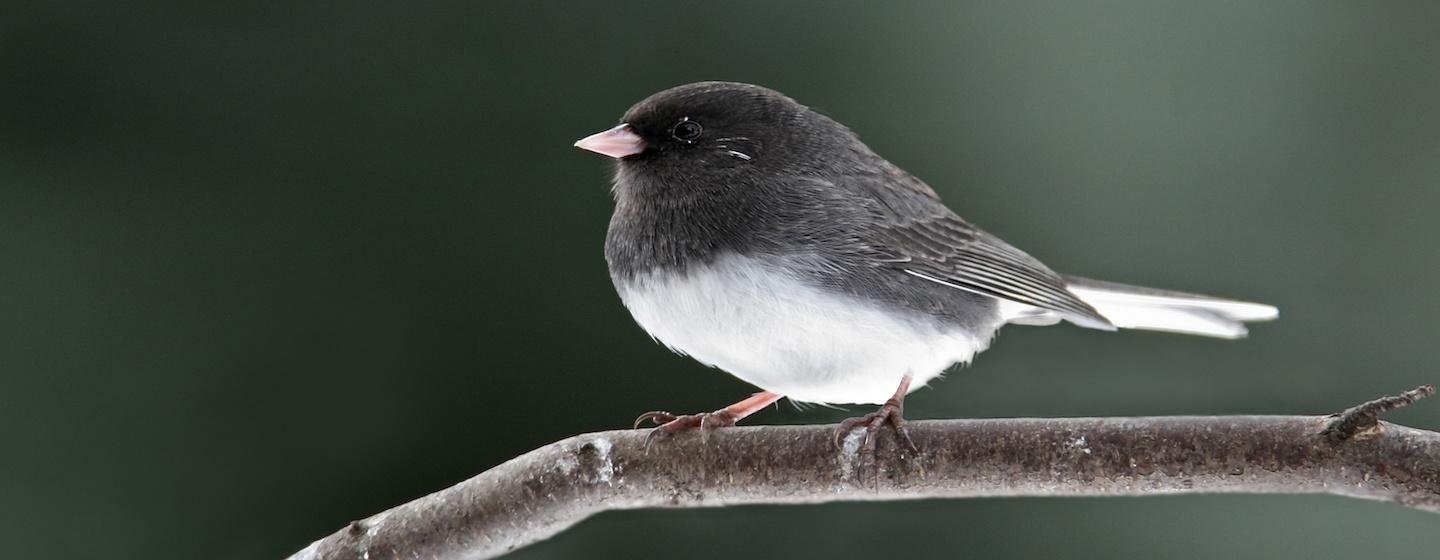
Birds Are in Trouble
Here’s the sad part of this story. The Cornell Lab of Ornithology reports that the bird population across the United States and Canada has fallen by 25% since 1970. That’s roughly three billion birds. The study was reported in the journal Science .
Habitat loss, urbanization and the use of toxic pesticides are some of the potential causes. While some populations, like waterfowl, have increased, more than 90% of that bird population loss is found in roughly a dozen bird families including sparrows, blackbird and finches.
Now the good news. Here’s how you can help save the birds.
Get involved with helping compile the first everNorth Carolina Bird Atlas. It’s a five-year, state-wide citizen science project that needs volunteers to map the distribution and abundance of birds from the Blue Ridge Mountains to the Outer Banks.
The data collected will help prioritize conservation efforts for the most imperiled North Carolina birds. Almost every other state has put together similar large-scale surveys. No matter your level of bird watching experience, organizers say if you like bird watching, sign up by visiting this website.
This citizen science project started in the spring of 2021. It’s coordinated by the North Carolina Wildlife Resources Commission, which works closely with the Cornell Lab in Ithaca, New York.
“There simply are not enough trained scientists or technicians to go out and survey everywhere,” said Kris Smith, the Citizen Science Program manager with the Wildlife Resources and the atlas project coordinator. “So, we rely on volunteers who are knowledgeable amateurs and can input their observations online.”
“No matter how experienced you are as a bird-watcher, we can use your help,” adds Smith. “It’s a fun way to learn a few things about bird, get outside and help with a really important project. We’ll explain everything you need to know.”
How it works
The Bird Atlas divides the state in 937 blocks that are about 10 square miles. Volunteers will work with regional coordinators and fan out across each block over the course of the year, recording the birds and what they are doing.
Volunteers are asked to spend at least 20 hours surveying during the breeding season and 10 hours during wintering season, with two nocturnal visits. Trips should be limited to one mile or less and one hour of less.
Whereas many states are limiting their compiled information to breeding-bird surveys, the North Carolina Bird Atlas will be more comprehensive, identifying migratory and wintering species, too. Only three other states — Connecticut, Maine and Oklahoma — have attempted a year-round bird atlas.