A Life Reimagined: The George Masa Story is the inspiring and mysterious story of Japanese photographer George Masa, his passion for the Appalachian Mountains and his role in founding Great Smoky Mountains National Park. A winding road and decades of research finally reveal the secrets that followed him to his grave in 1933. His was an artistic odyssey—from tragedy in Japan and the Pacific Northwest to a reimagined life in Asheville, NC.
A Life Reimagined: The George Masa Story is produced by Bonesteel Films in association with PBS North Carolina.
Join PBS North Carolina at the North Carolina Museum of Art in Raleigh for a screening of A Life Reimagined: The George Masa Story. The screening will be followed by a conversation with filmmaker Paul Bonesteel, moderated by Anisa Khalifa, host of The Broadside at WUNC News.
Archive Credit: Buncombe County Special Collections, Pack Memorial Library, Asheville, NC.
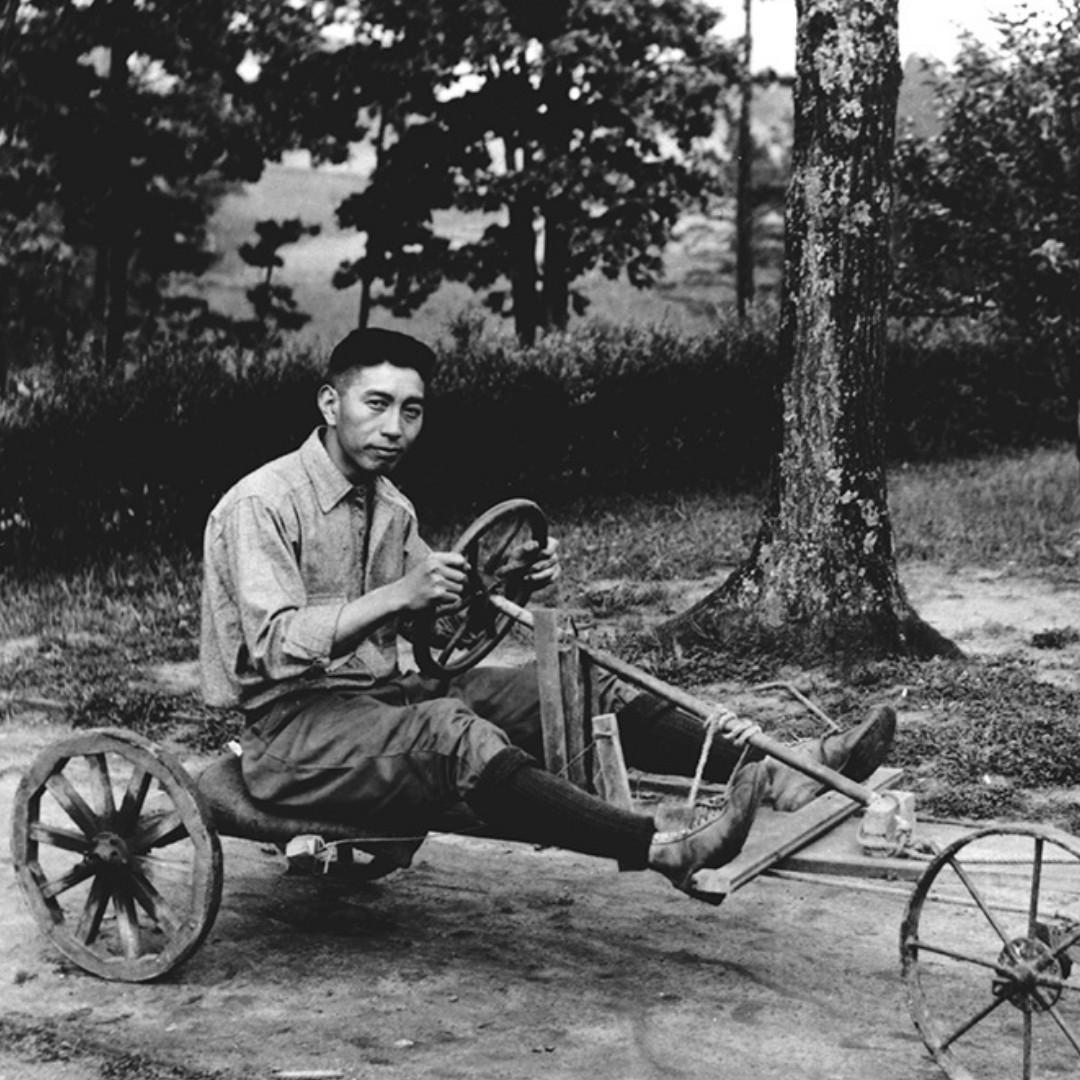
Japanese-born photographer George Masa (1885–1933) was one of the most important figures in the preservation of the Great Smoky Mountains. He meticulously documented the Smoky Mountains through thousands of photographs and helped accurately map the region’s trails and peaks, often correcting errors in existing maps. Masa formed a close friendship with naturalist and writer Horace Kephart, and together they advocated tirelessly for the creation of Great Smoky Mountains National Park, which was established in 1934—just a year after Masa passed away. Masa's contributions were largely overlooked during his lifetime but have since been recognized as foundational to the park’s creation and the preservation of the Appalachian Trail.
Photographs Taken by George Masa
Archive Credit: Appalachian Trail Conservancy Records, Special Collections Research Center, George Mason University Libraries
1 / 4
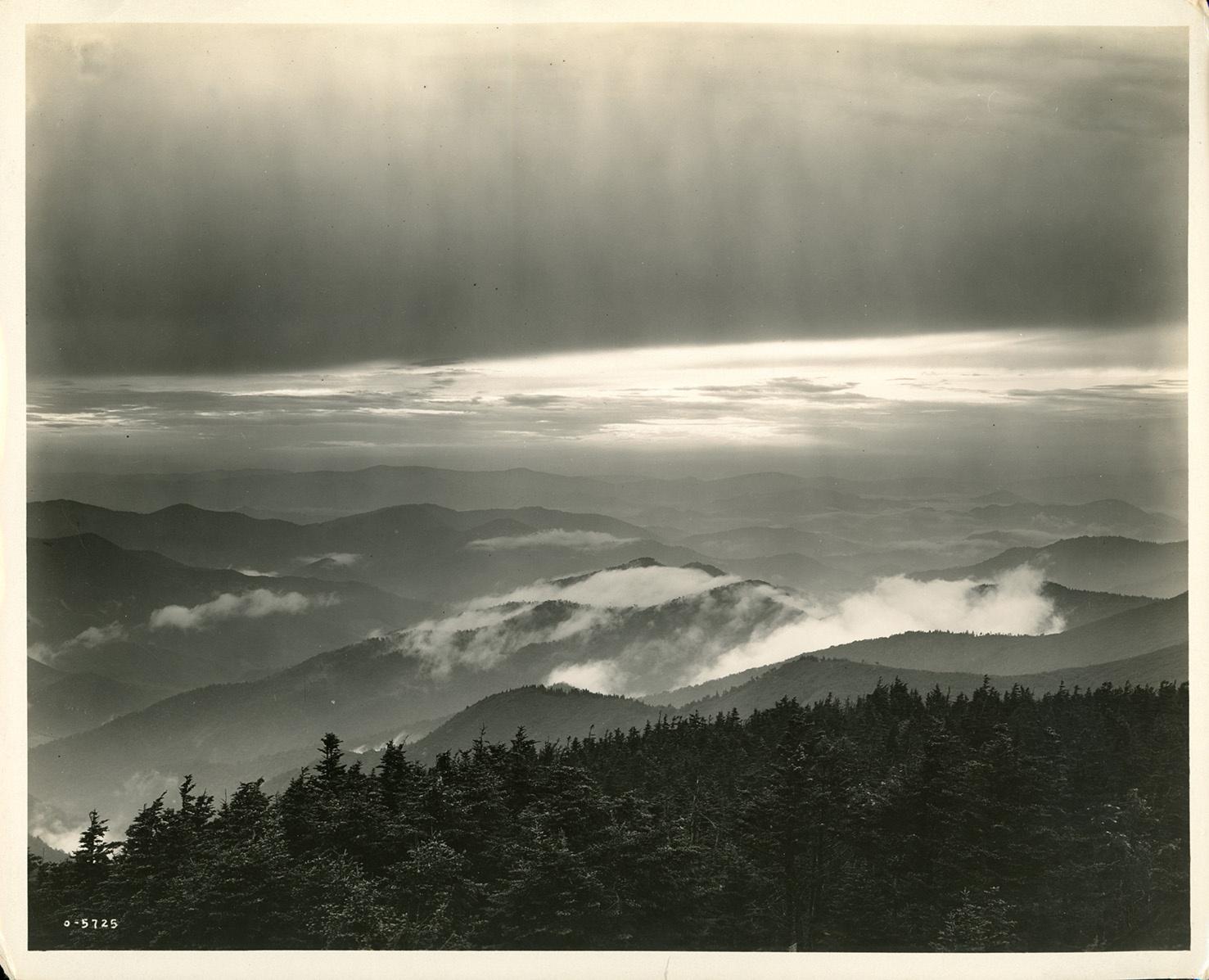
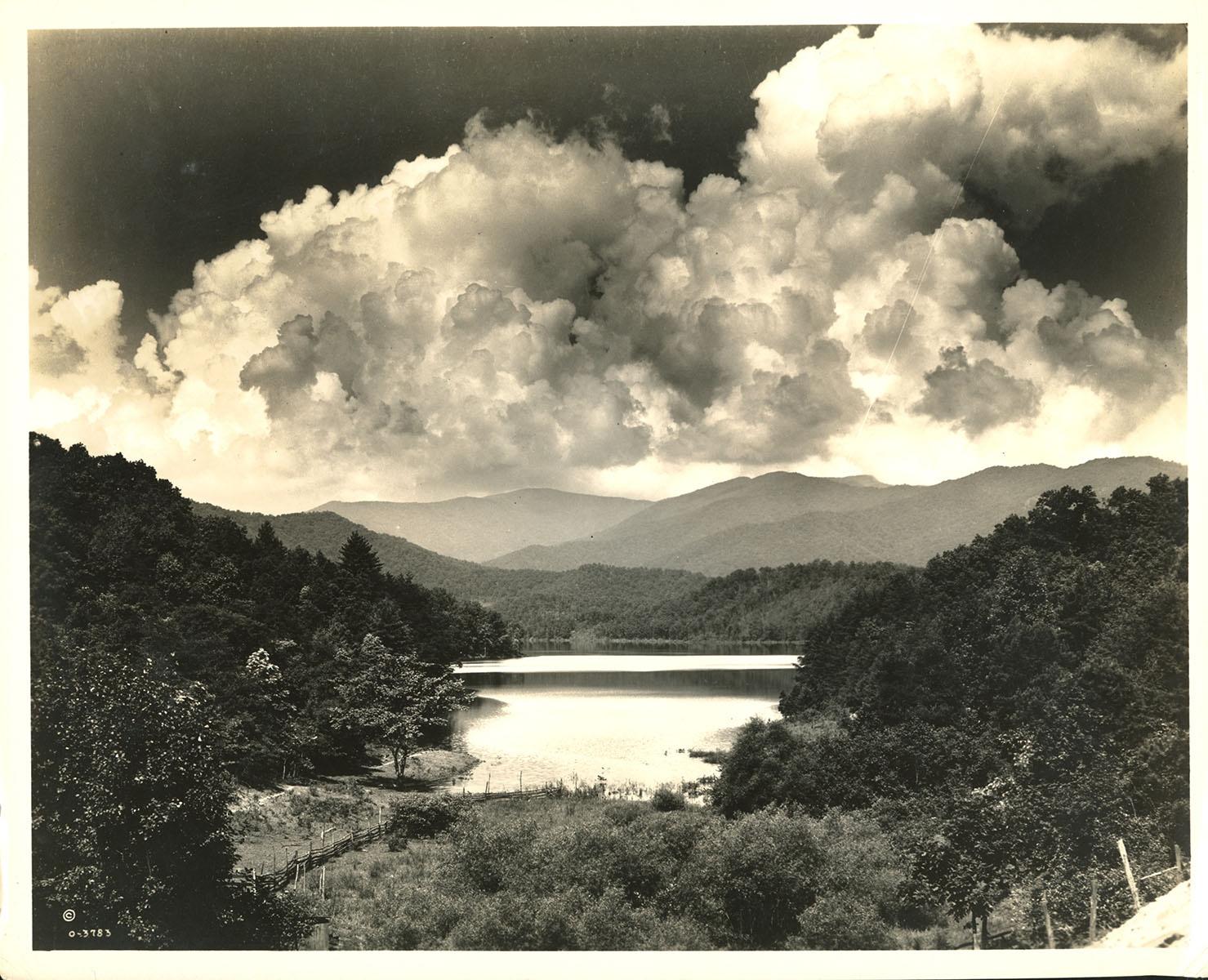
Photograph taken by George Masa of the Blue Ridge Mountains as seen from Mt. Mitchell, NC.
Archive Credit: Appalachian Trail Conservancy Records, Special Collections Research Center, George Mason University Libraries
2 / 4
Photograph taken by George Masa of the Great Smoky Mountains National Park.
Archive Credit: Buncombe County Special Collections, Pack Memorial Library, Asheville, NC
3 / 4
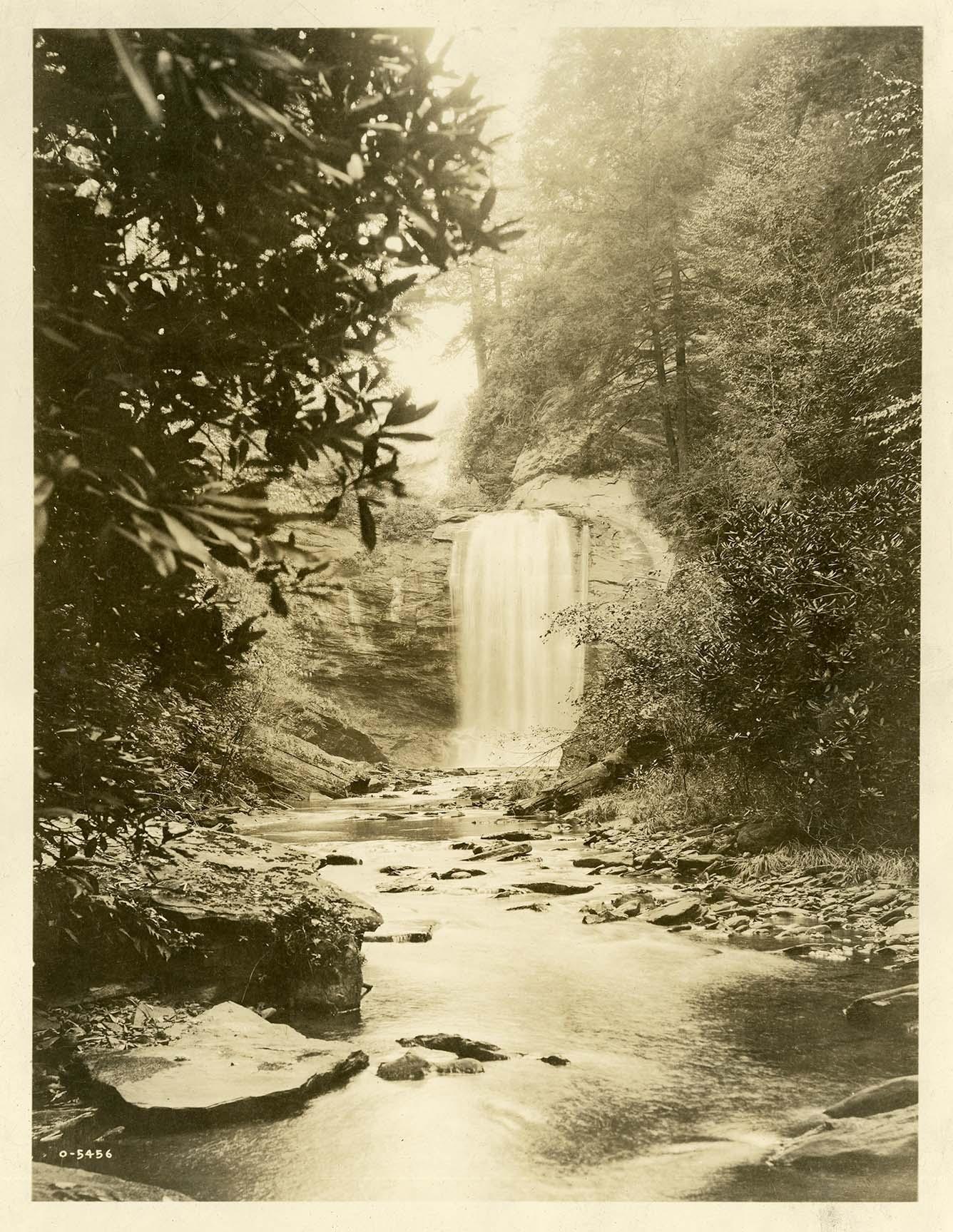
Photograph taken by George Masa of Looking Glass Falls in Pisgah National Forest.
Archive Credit: Highlands Historical Society Archives
4 / 4
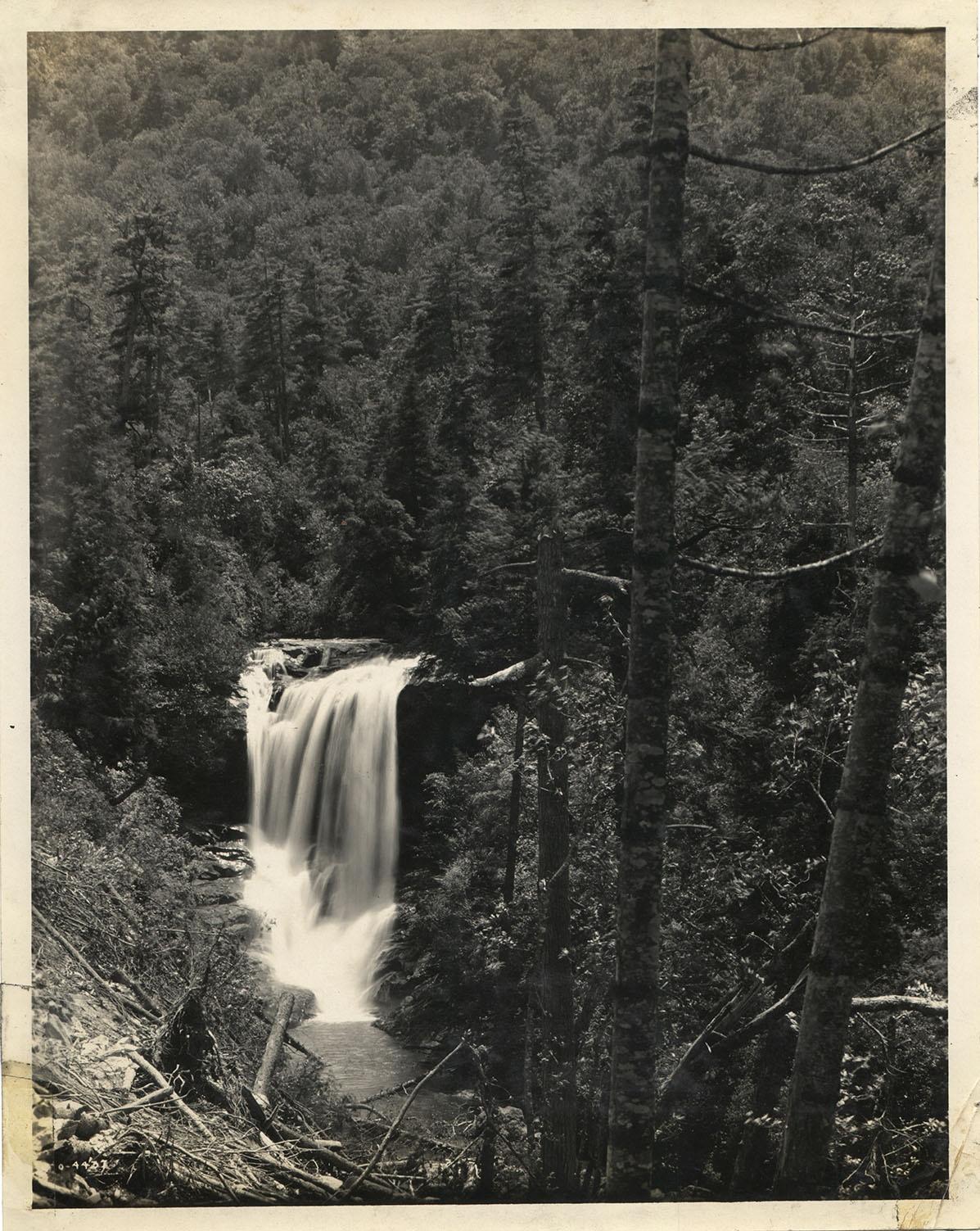
Photograph taken by George Masa of Cullasaja Falls in Nantahala National Forest.
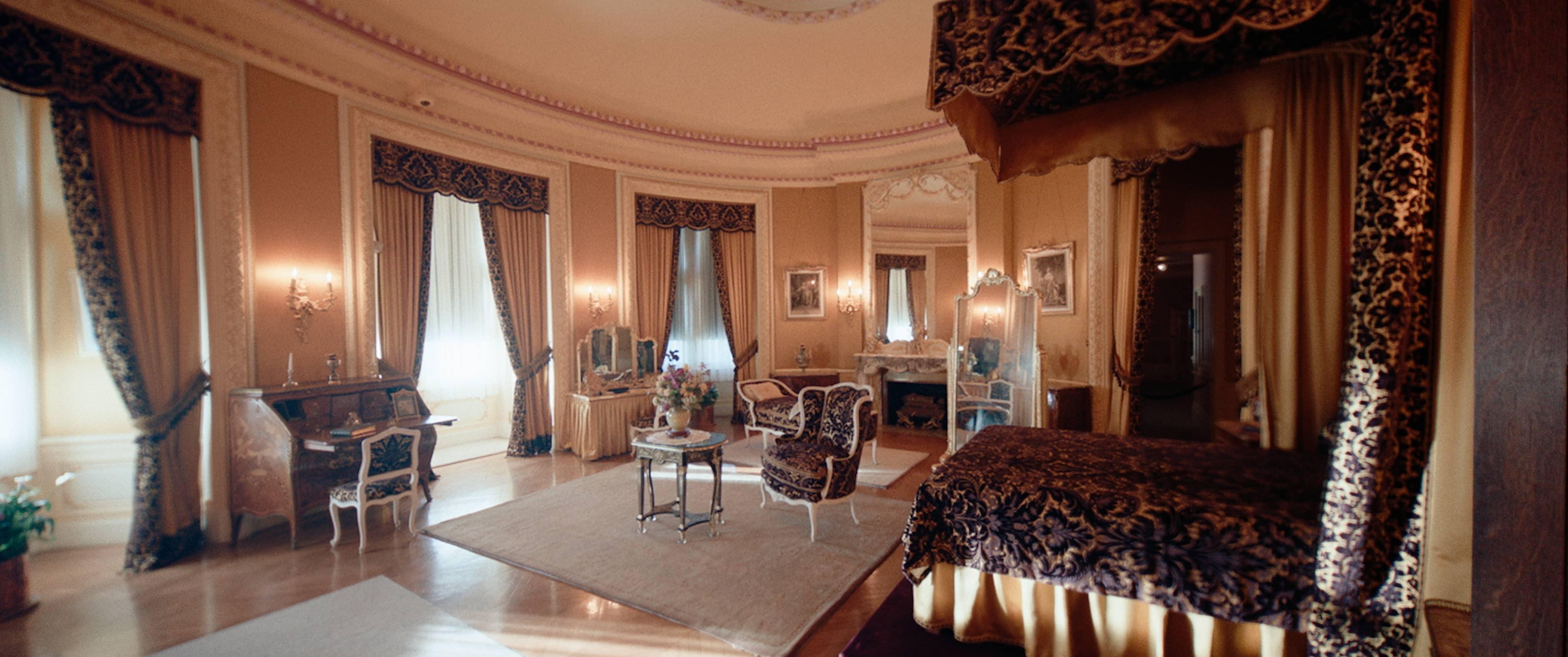
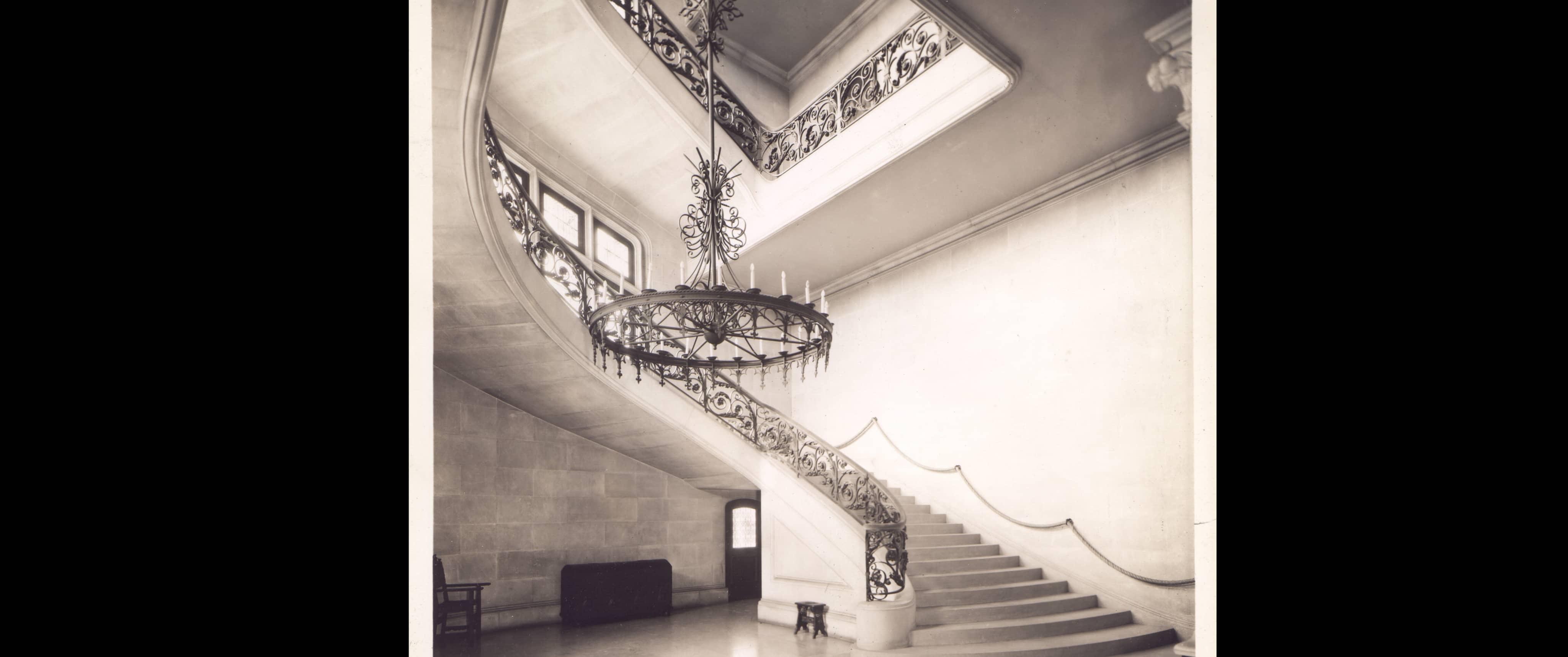
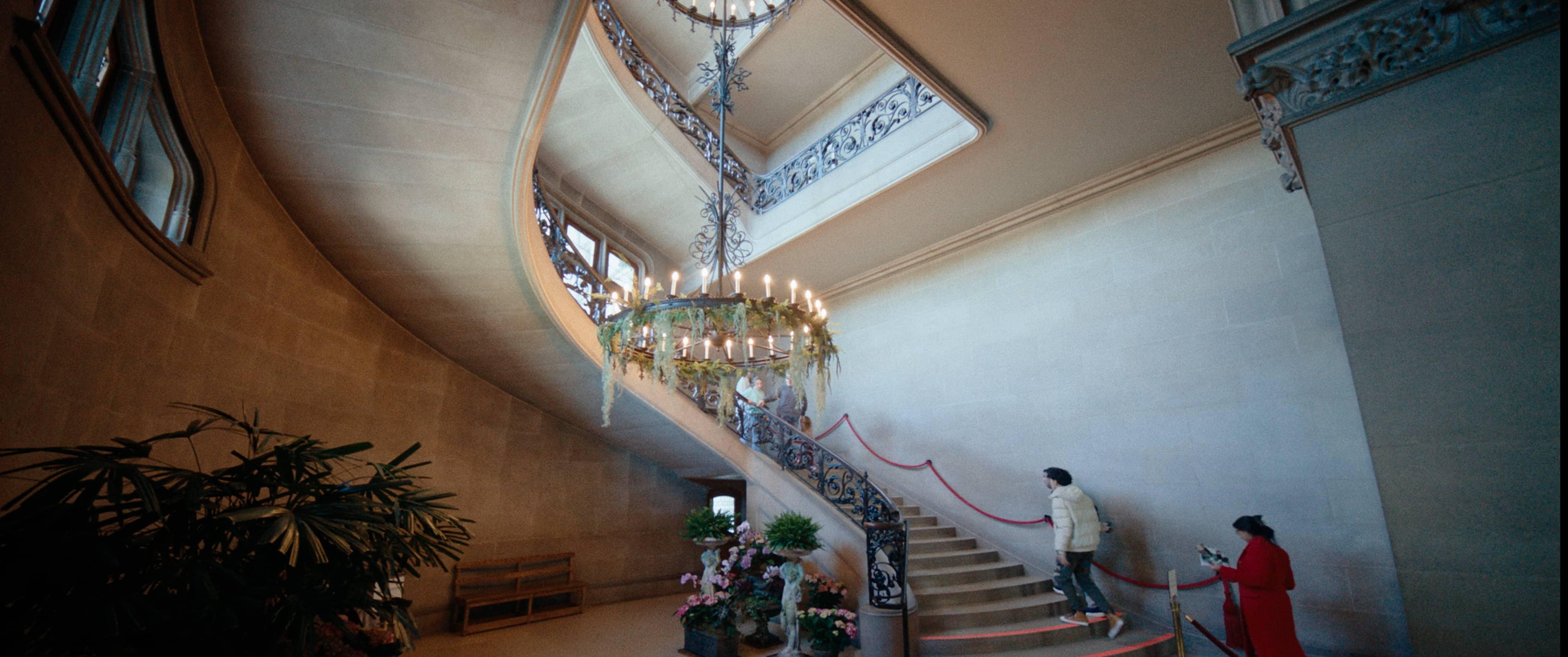
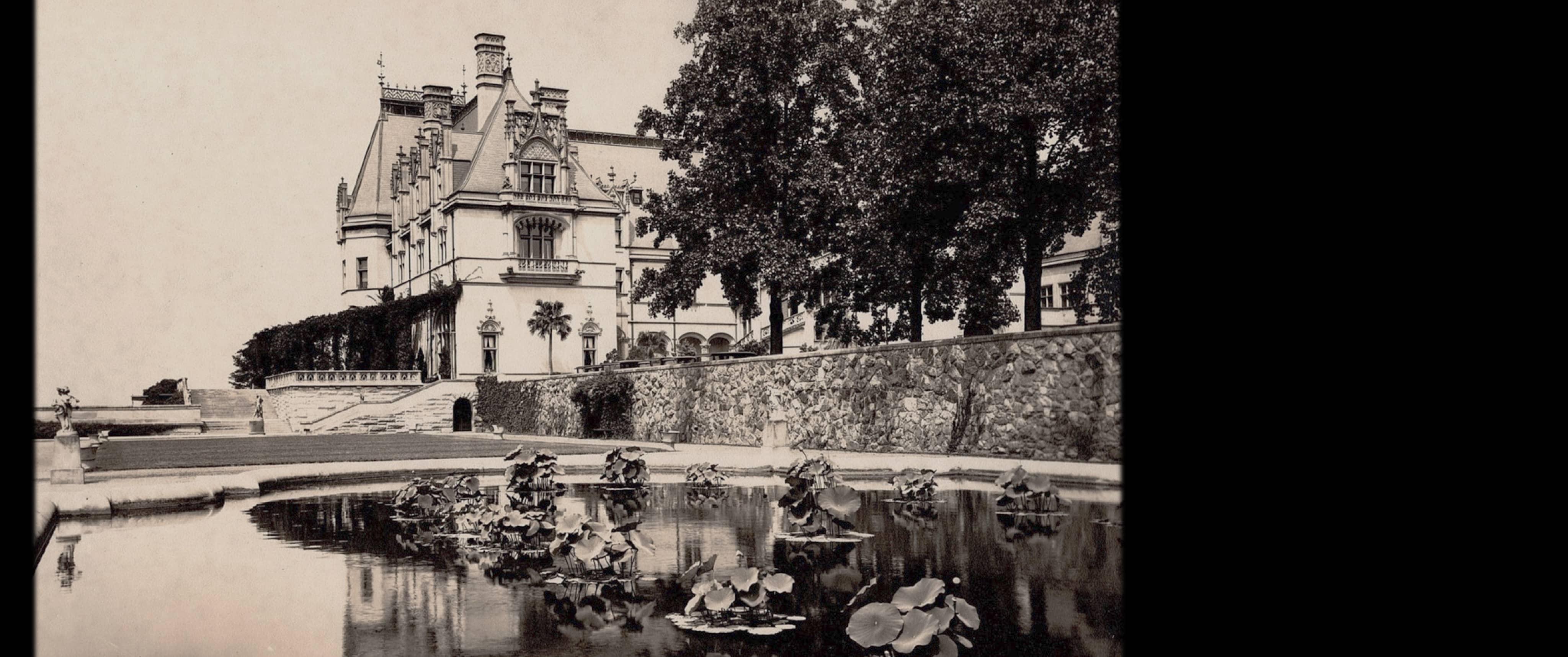
In 1930, George Masa Photographed the Biltmore Estate
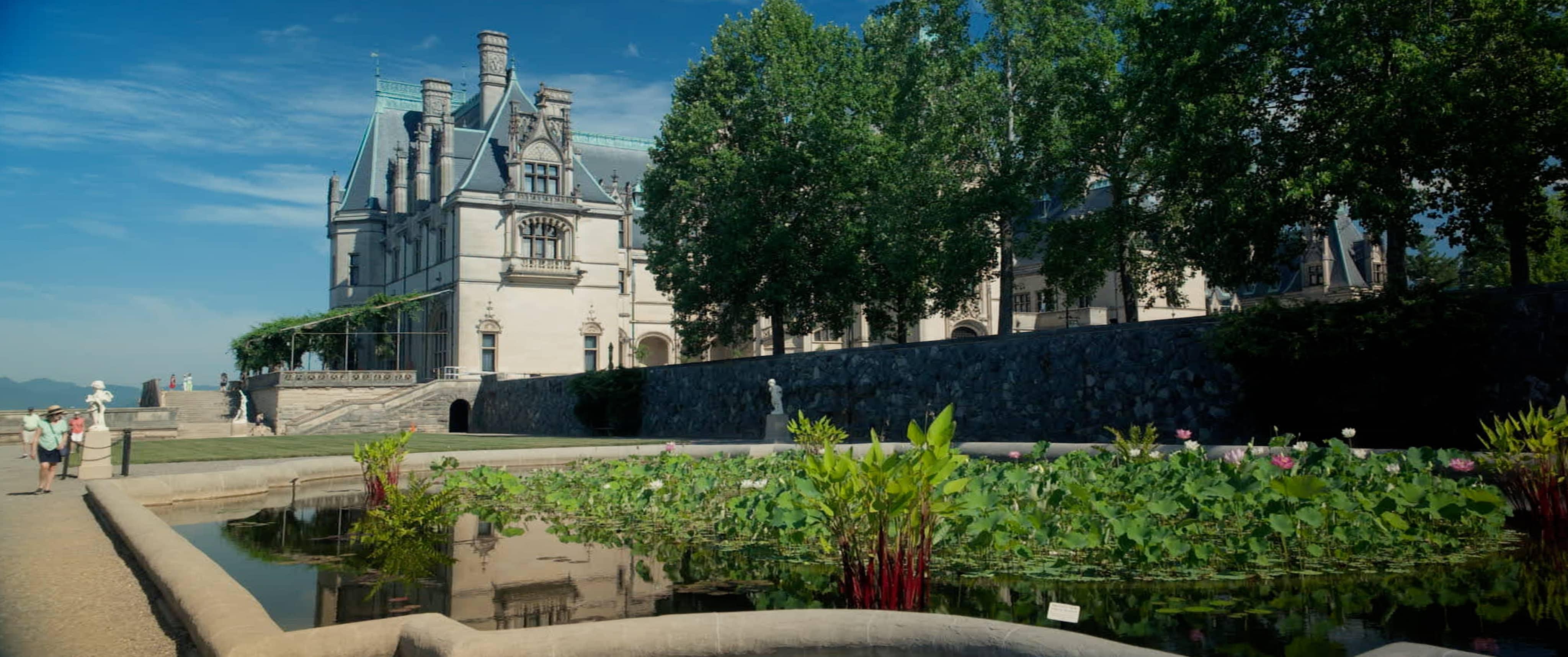
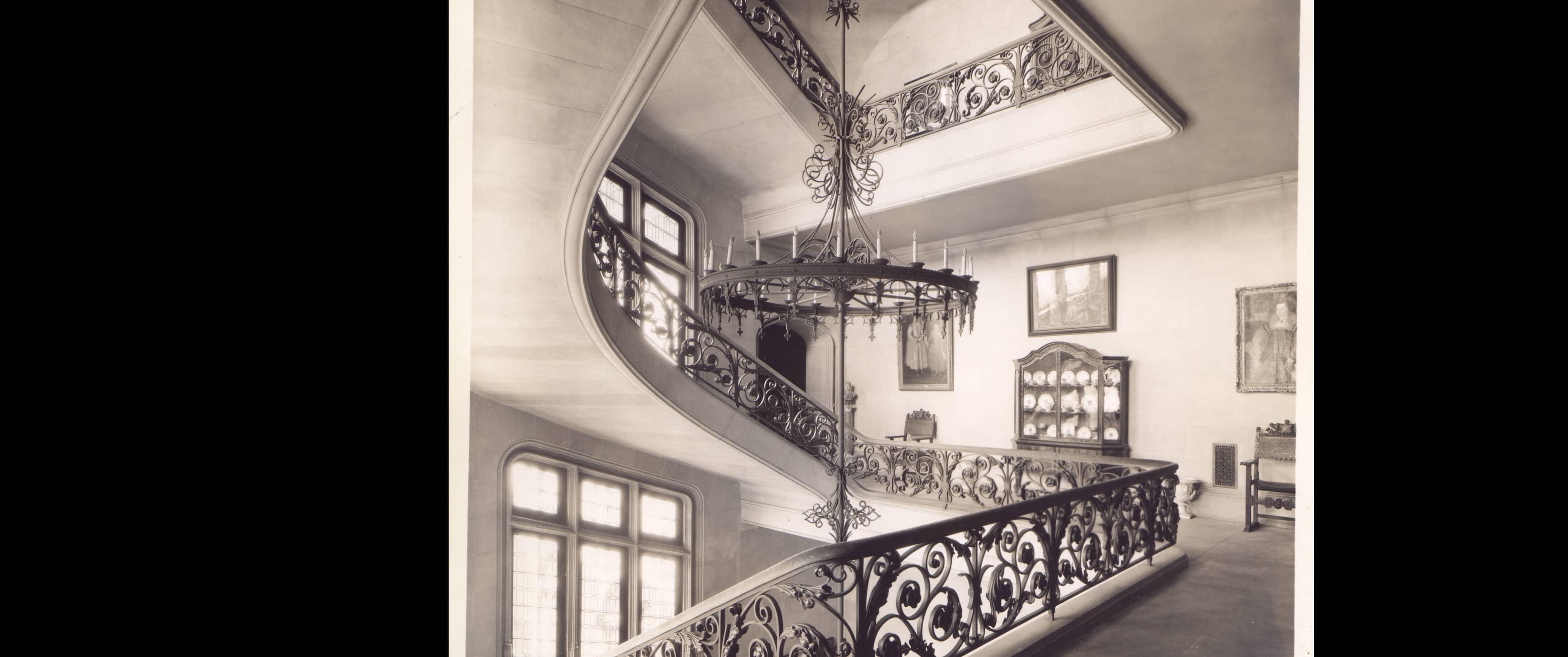
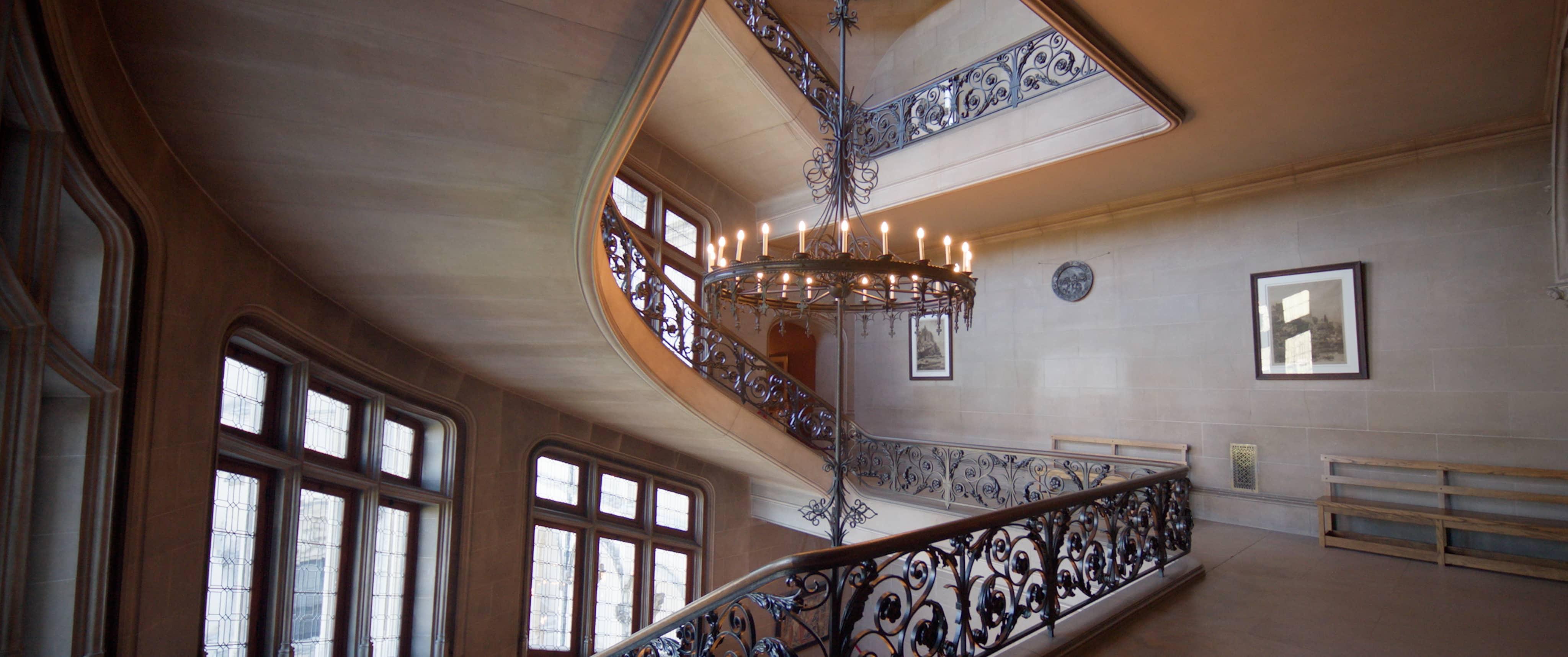
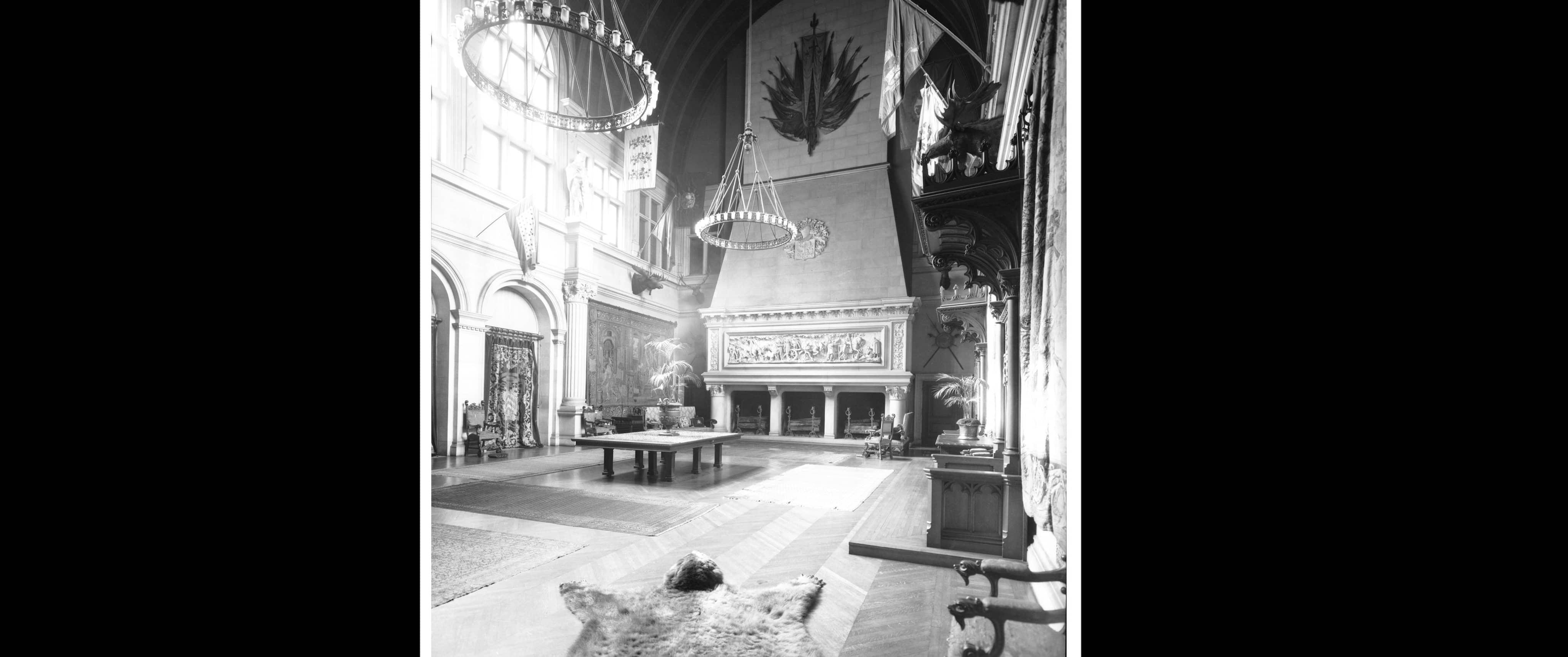
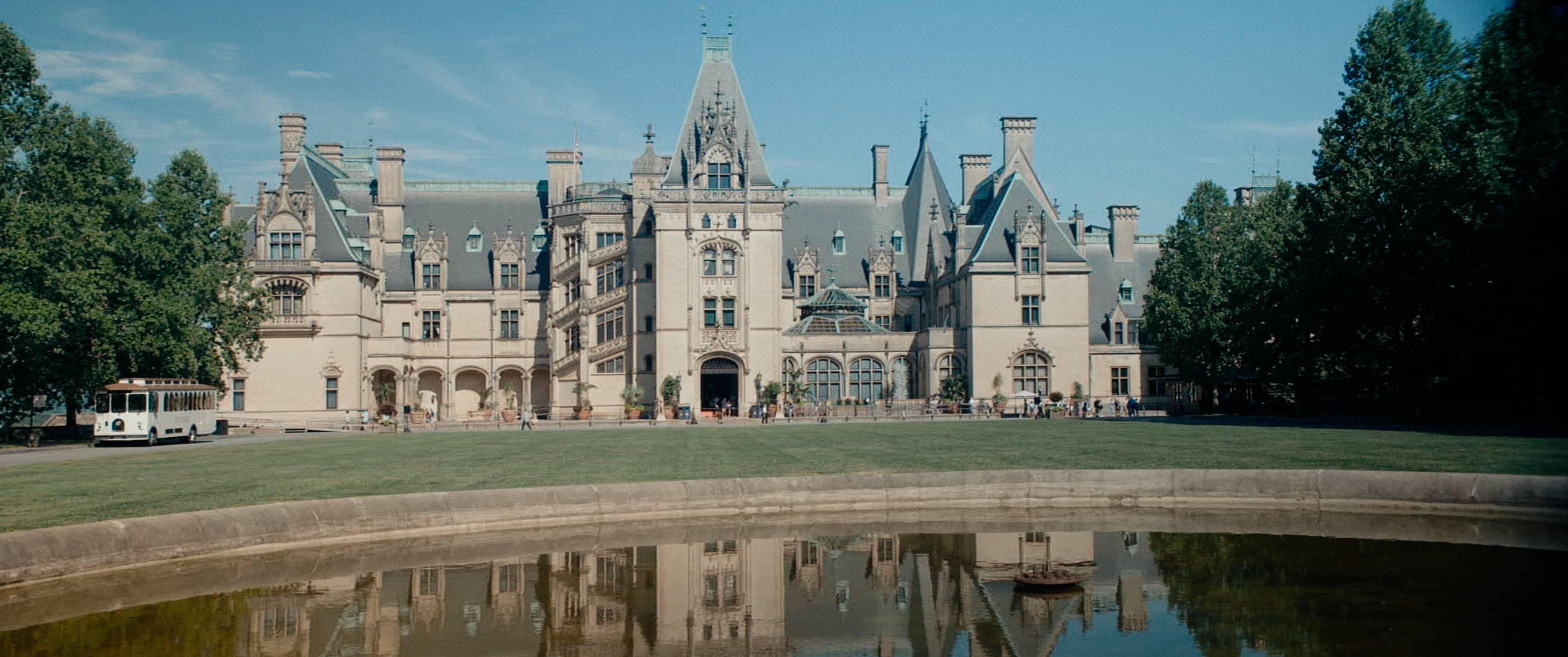
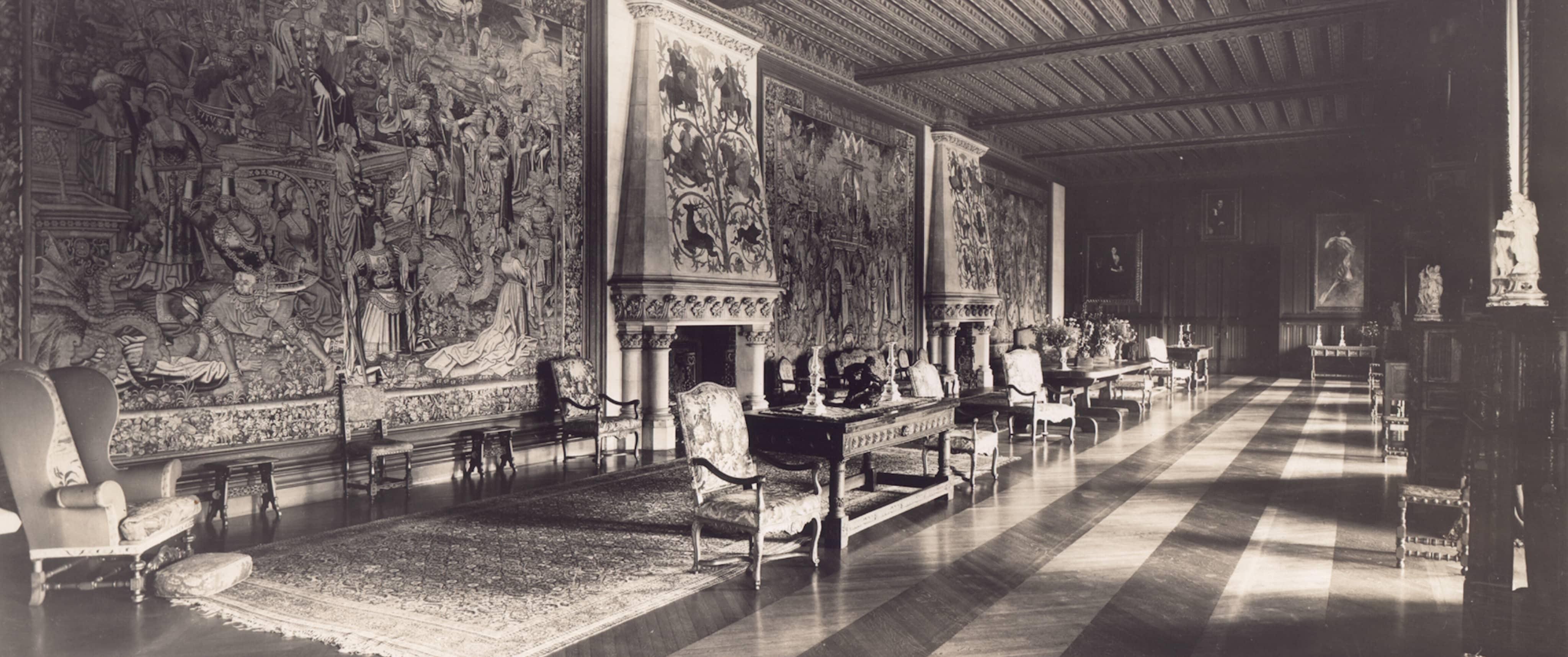
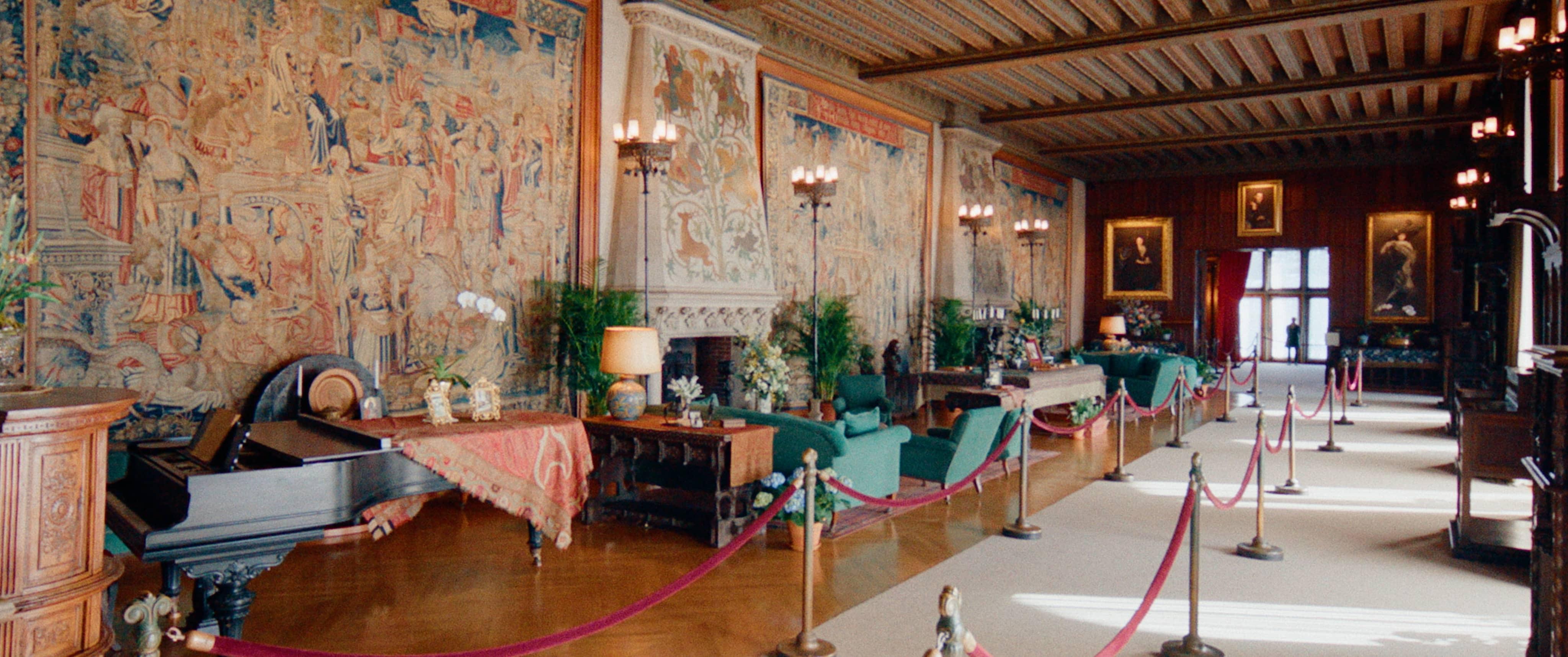
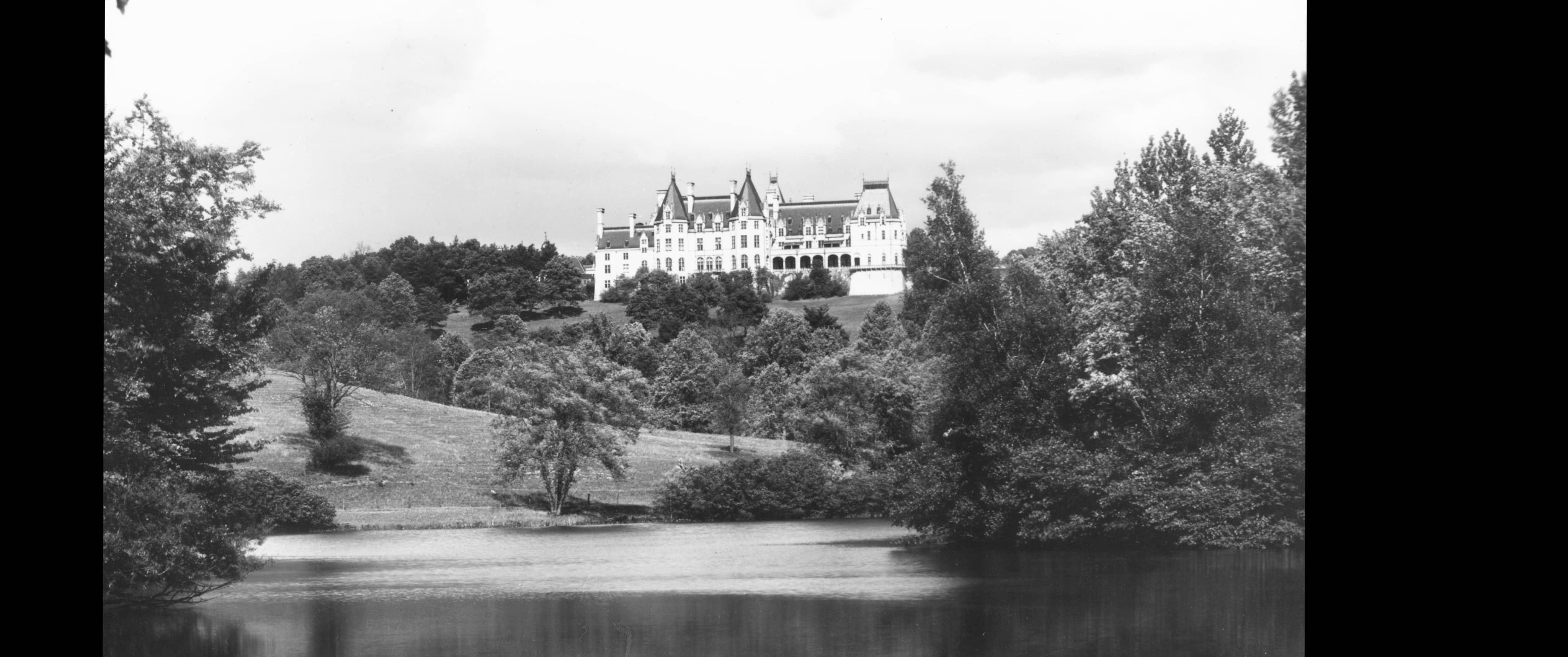
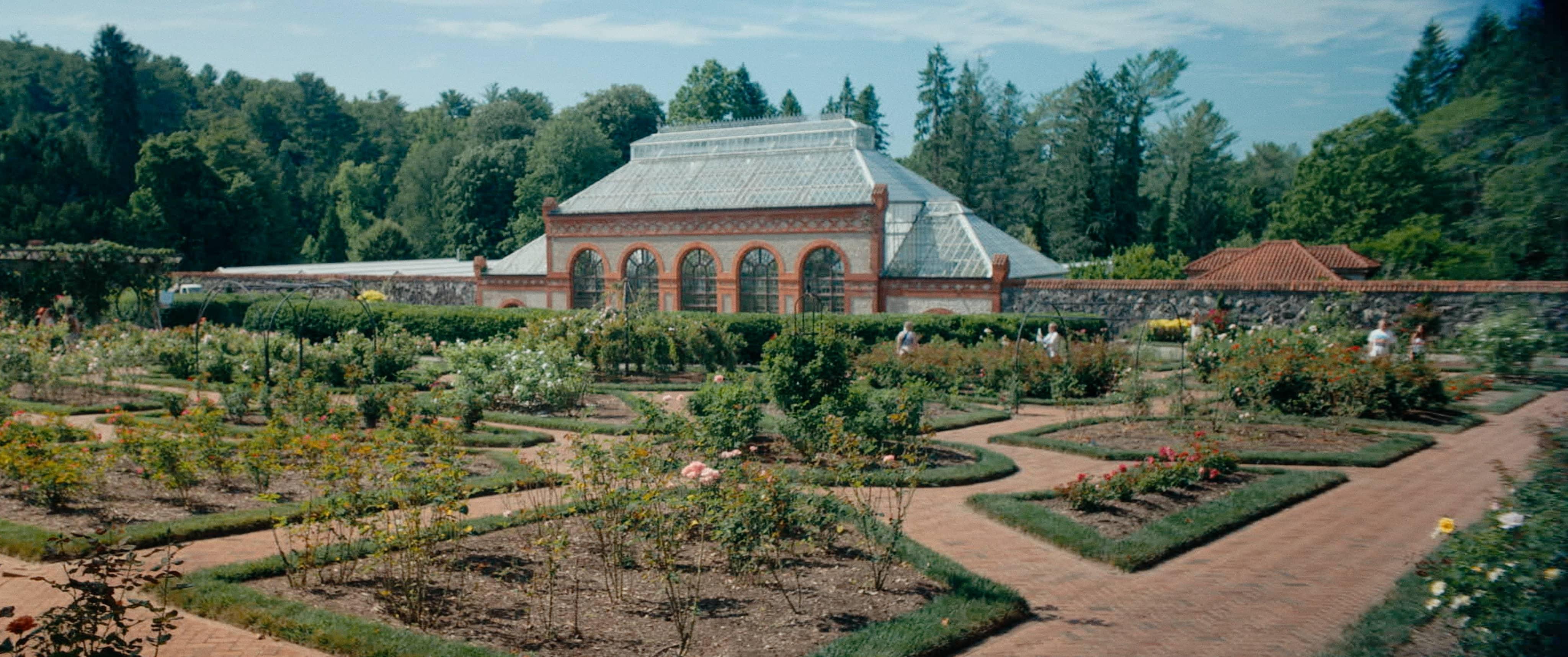
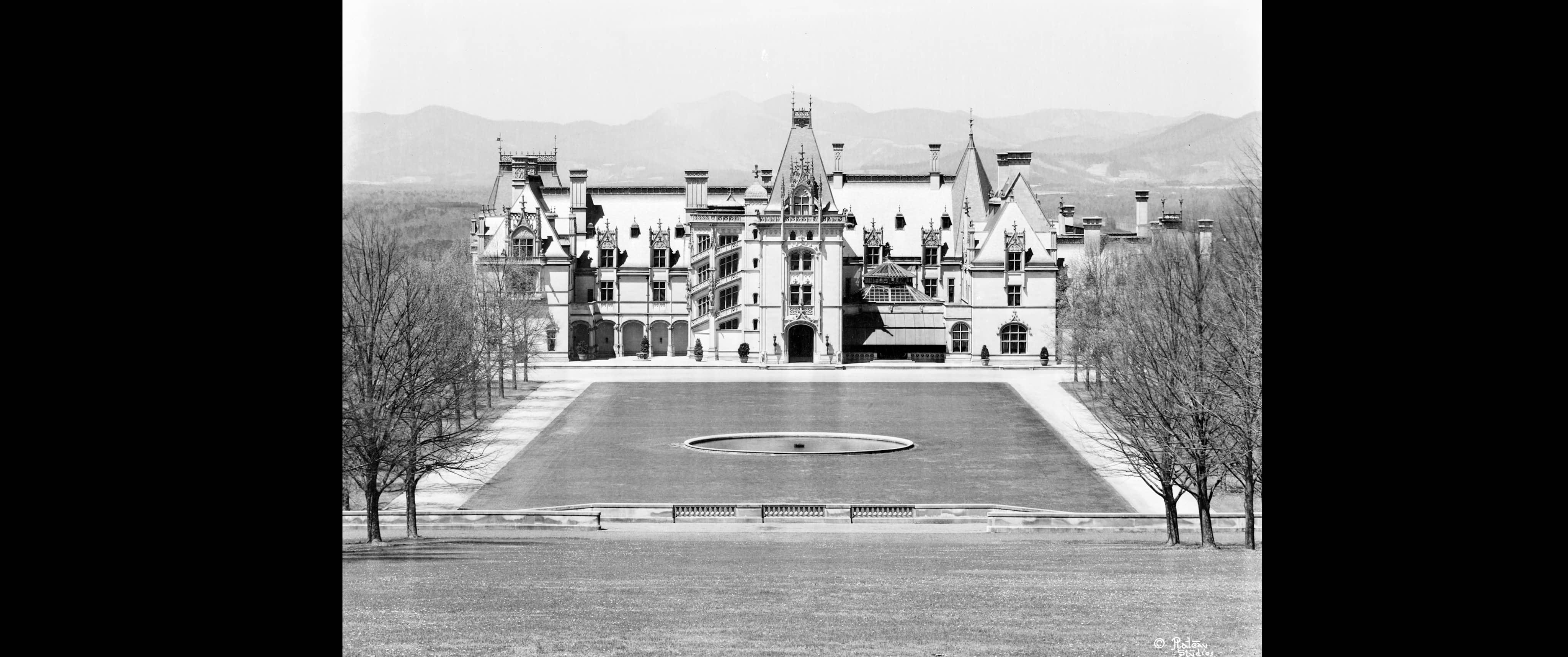
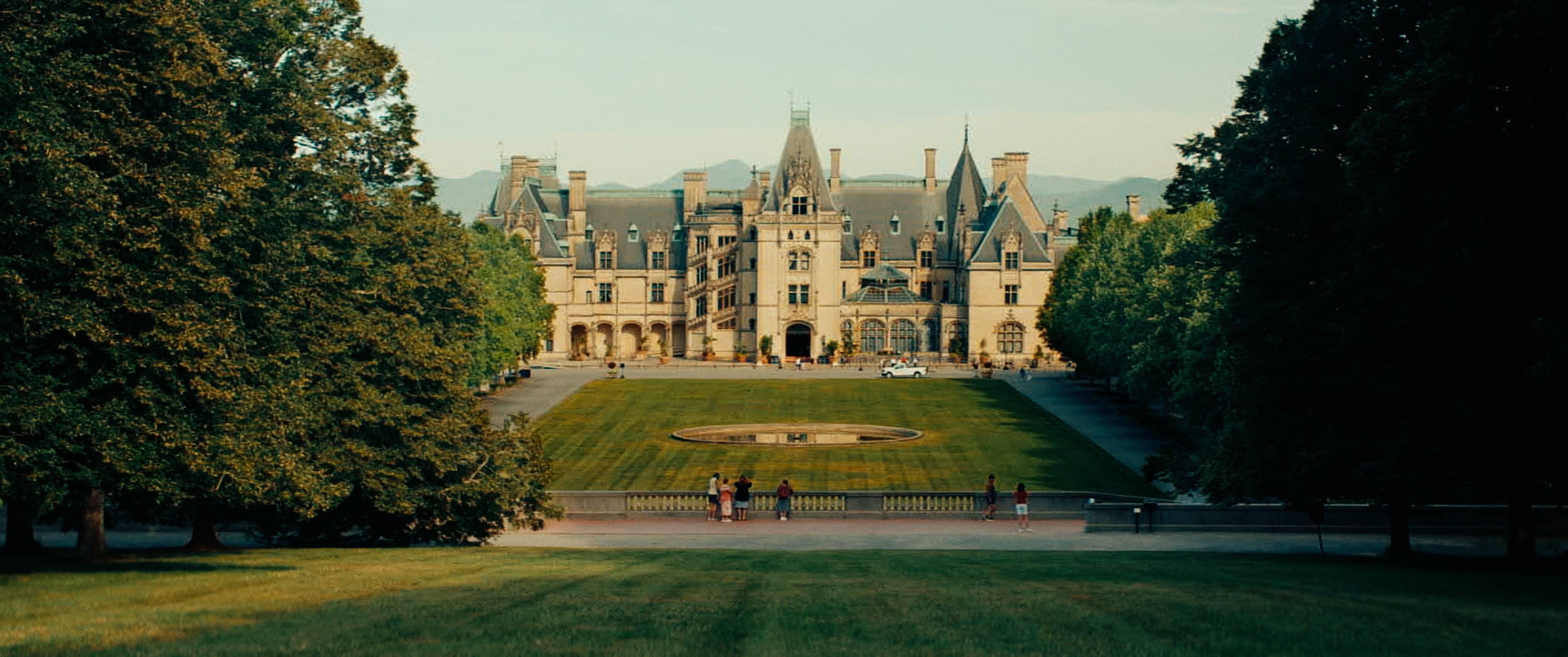
In the vast collection of the Biltmore Estate's archive, an abundance of photos have been revealed to be George Masa's work. "The Masa Interiors" from 1930 captures the Biltmore at a critical time before the house was open to the public. Swipe through the gallery below to compare the home from 1930 to 2025.
Then and Now Photos of the Biltmore Estate
Used with permission from the Biltmore Company, Asheville, North Carolina
1 / 24
Banquet Hall, Biltmore Estate. George Masa Photo, 1930.
Photo courtesy of Bonesteel Films
2 / 24
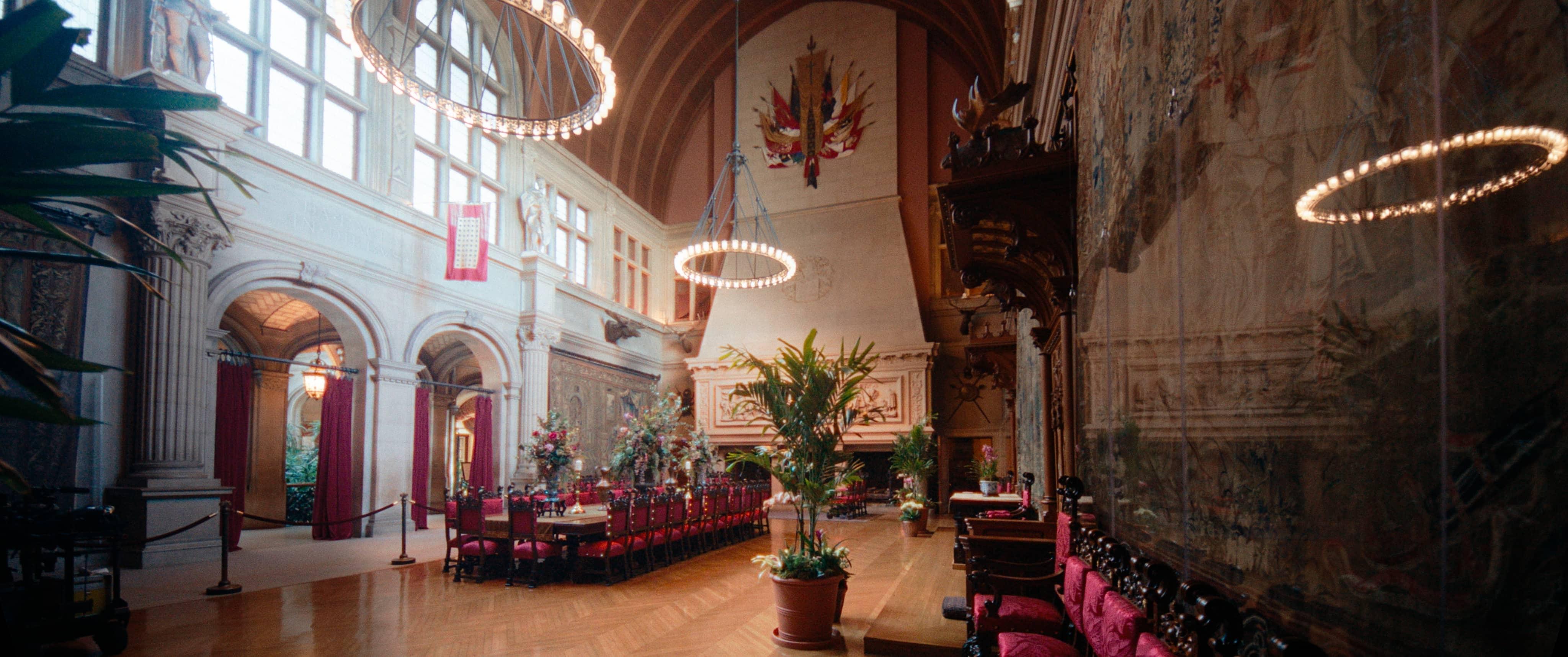
Banquet Hall, Biltmore Estate. Production image from film, 2025.
Used with permission from the Biltmore Company, Asheville, North Carolina
3 / 24
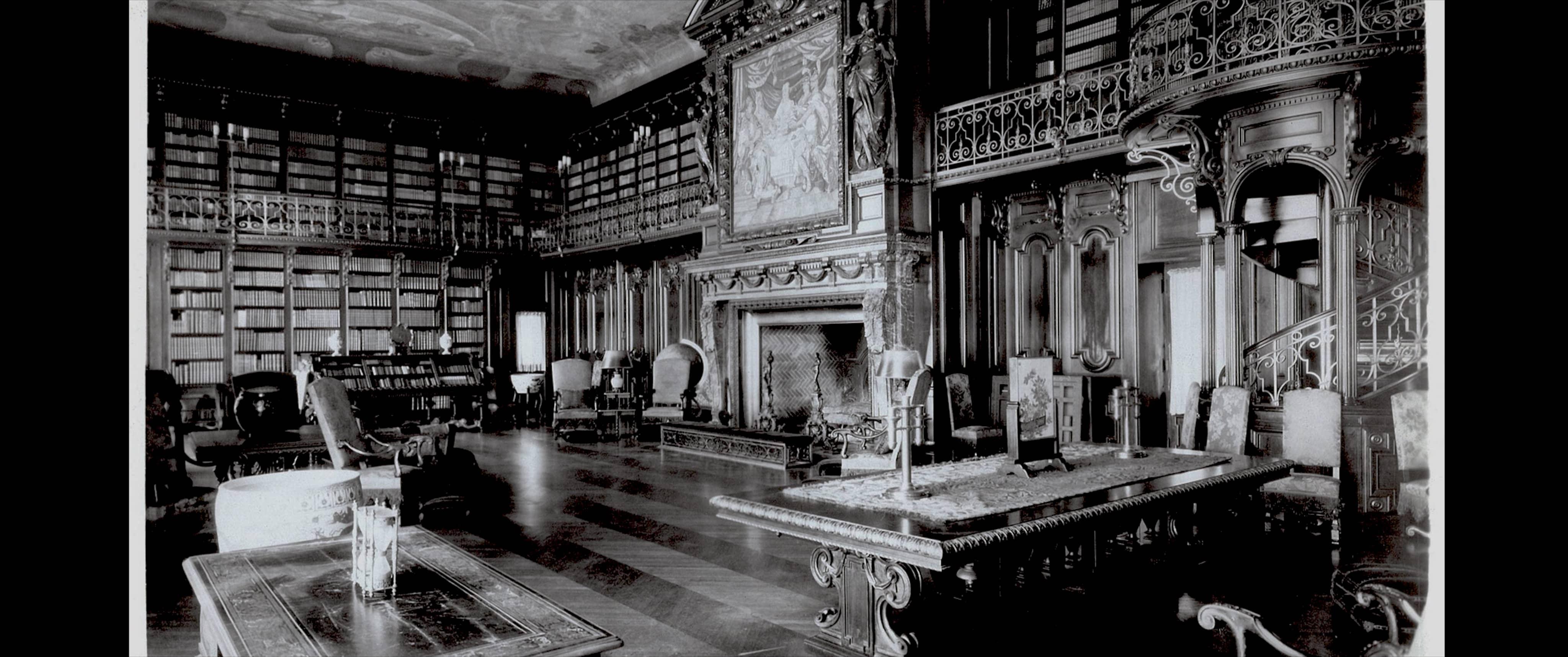
Library, Biltmore Estate. George Masa Photo, 1930.
Photo courtesy of Bonesteel Films
4 / 24
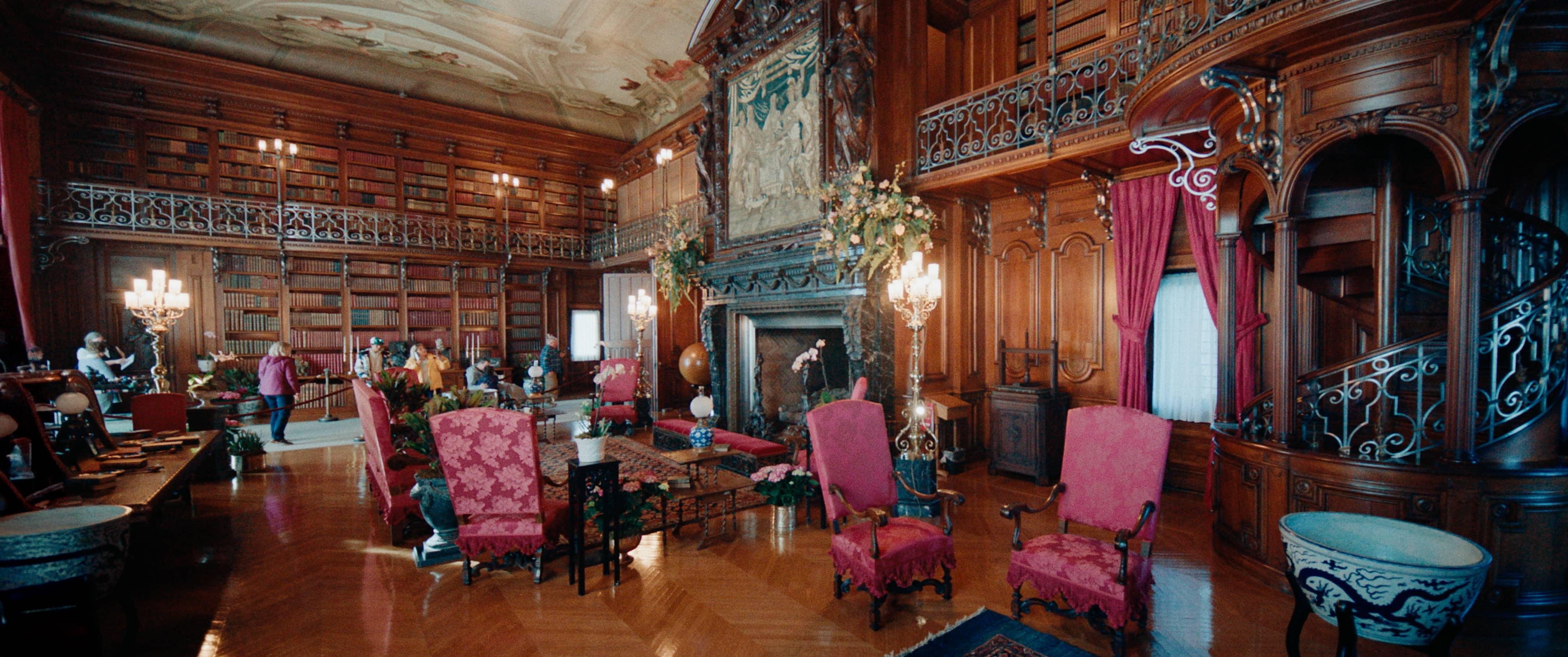
Library, Biltmore Estate. Production image from film, 2025.
Used with permission from the Biltmore Company, Asheville, North Carolina
5 / 24
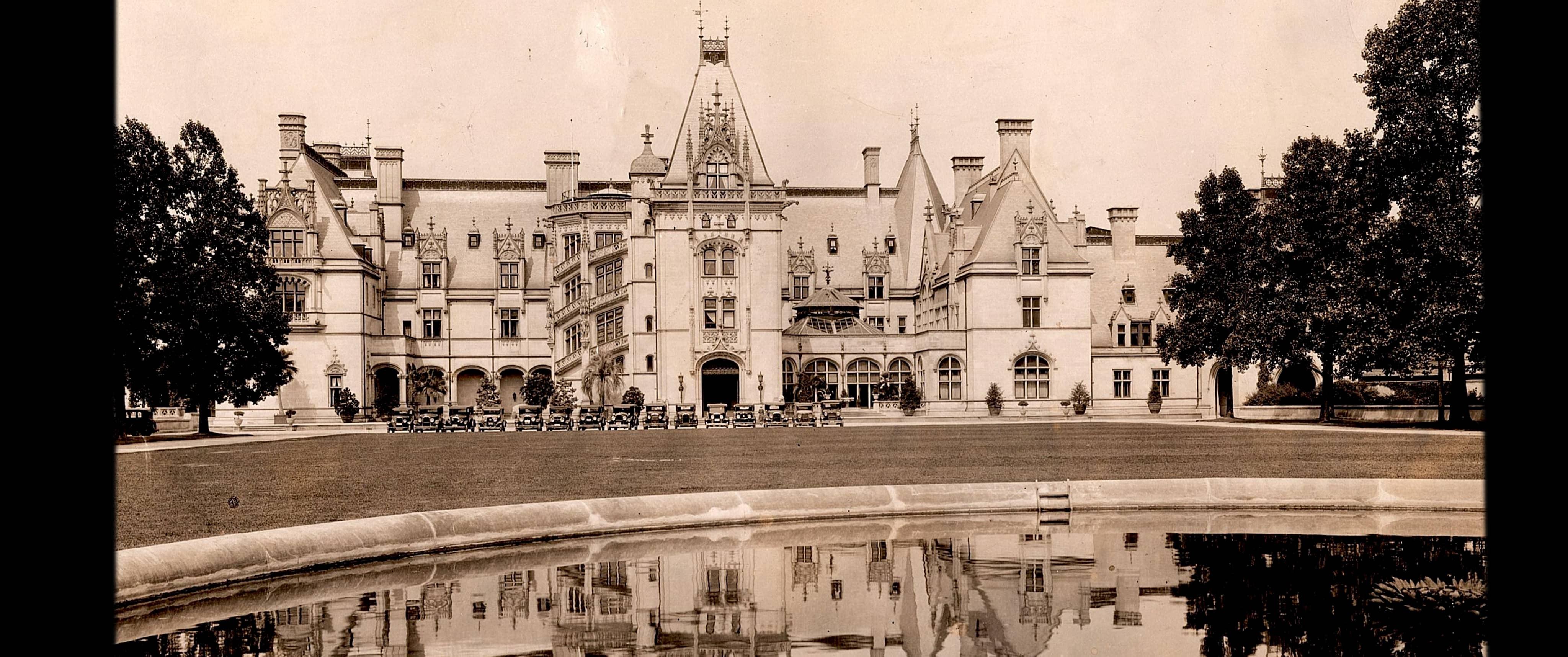
Exterior facade with reflecting pool, Biltmore Estate. George Masa Photo, 1930.
Photo courtesy of Bonesteel Films
6 / 24
Exterior facade with reflecting pool, Biltmore Estate. Production image from film, 2025.
Used with permission from the Biltmore Company, Asheville, North Carolina
7 / 24
Tapestry Gallery, Biltmore Estate. George Masa Photo, 1930.
Photo courtesy of Bonesteel Films
8 / 24
Tapestry gallery, Biltmore Estate. Production image from film, 2025.
Used with permission from the Biltmore Company, Asheville, North Carolina
9 / 24
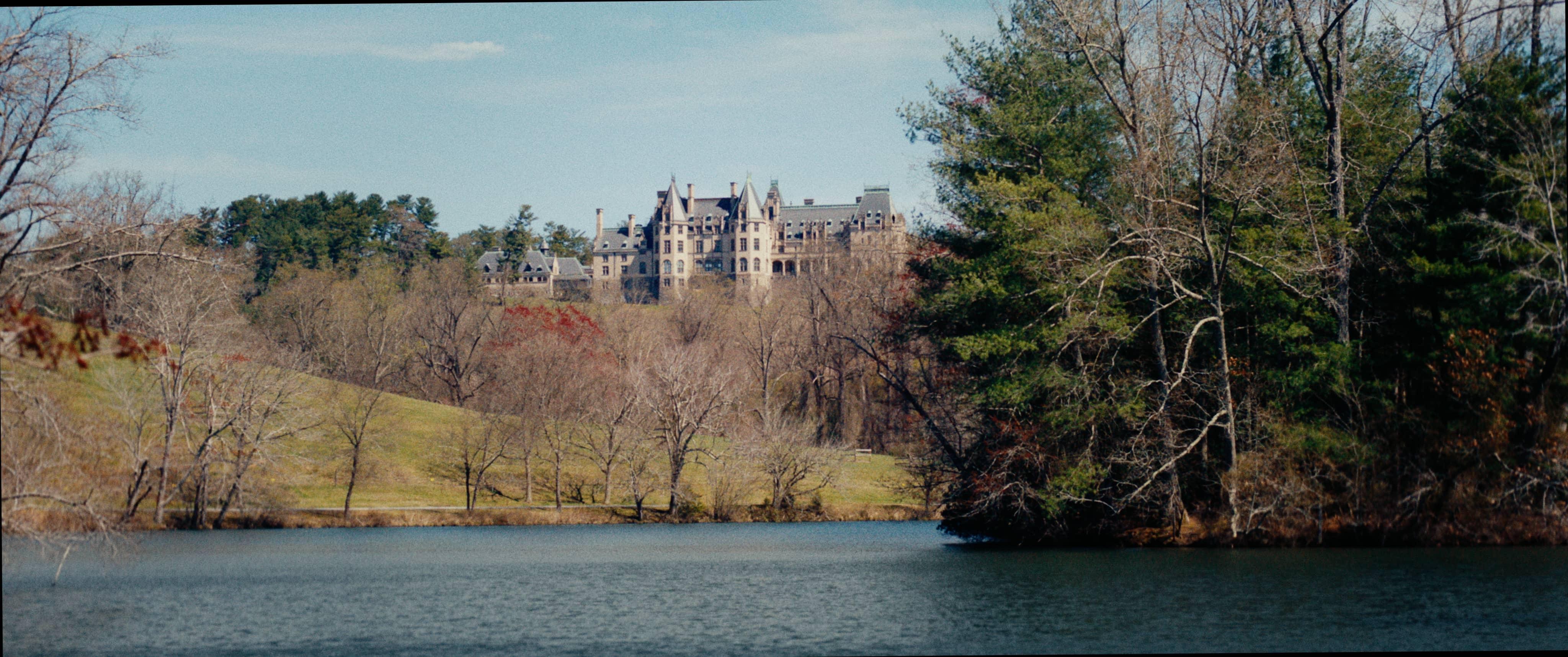
Exterior facade from Lagoon, Biltmore Estate. George Masa Photo, 1930.
Photo courtesy of Bonesteel Films
10 / 24
Exterior facade from Lagoon, Biltmore Estate. Production image from film, 2025.
Used with permission from the Biltmore Company, Asheville, North Carolina
11 / 24
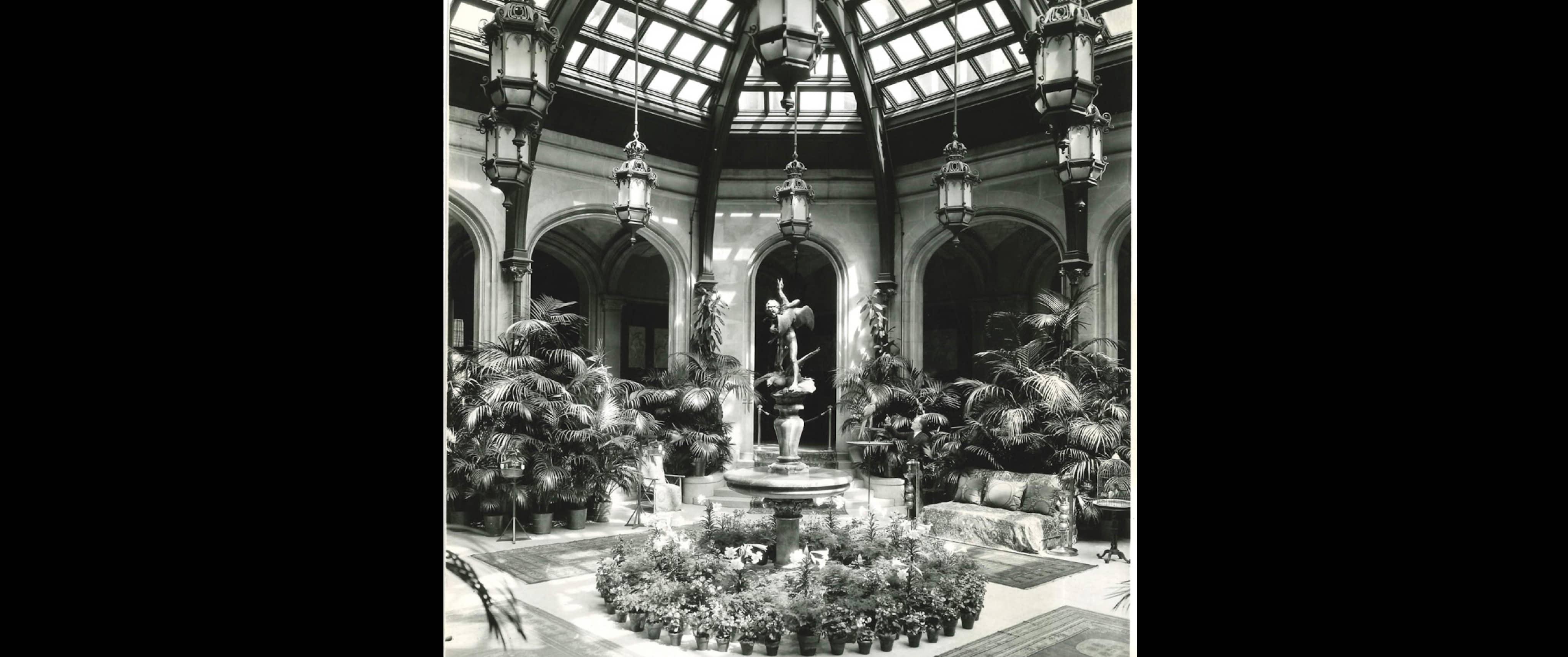
Winter Garden, Biltmore Estate. George Masa Photo, 1930.
Photo courtesy of Bonesteel Films
12 / 24
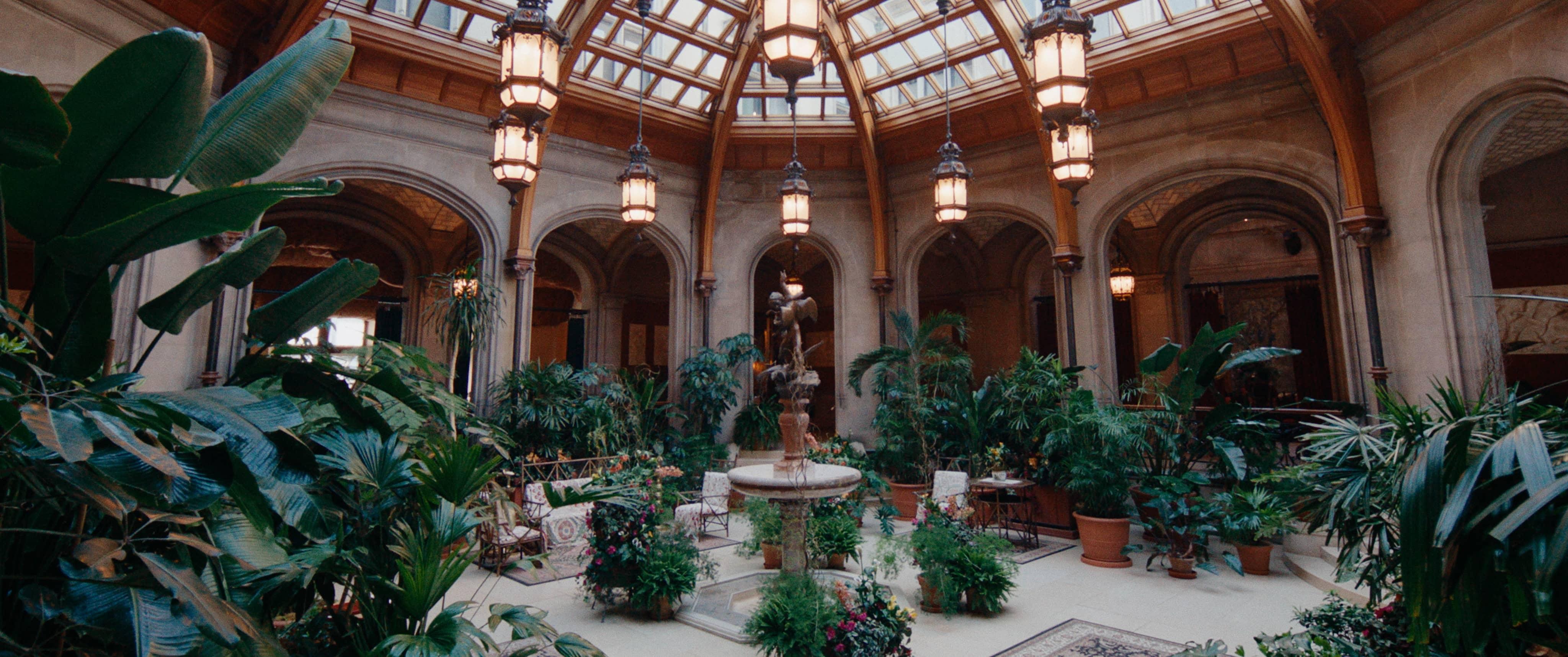
Winter Garden, Biltmore Estate. Production image from film, 2025.
Used with permission from the Biltmore Company, Asheville, North Carolina
13 / 24
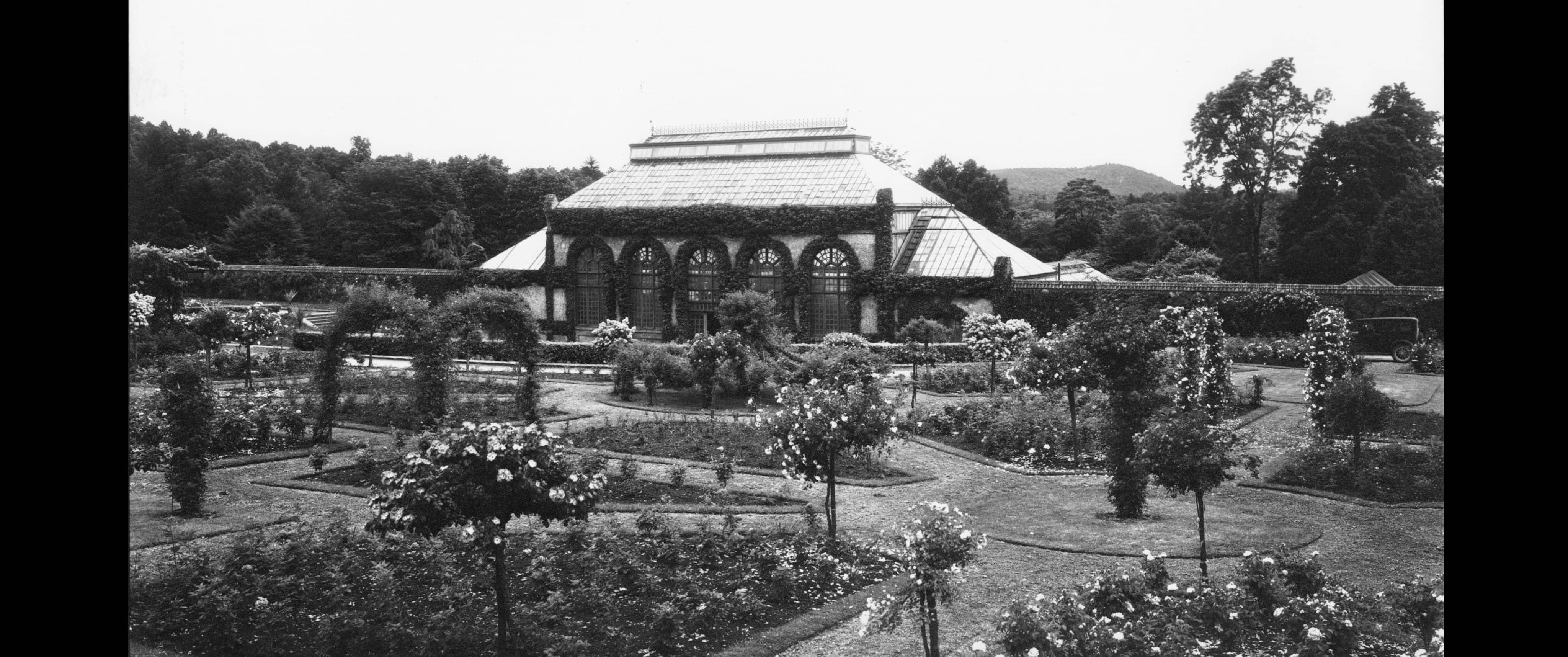
Conservatory and Rose Garden, Biltmore Estate. George Masa Photo, 1930.
Photo courtesy of Bonesteel Films
14 / 24
Conservatory and Rose Garden, Biltmore Estate. Production image from film, 2025.
Used with permission from the Biltmore Company, Asheville, North Carolina
15 / 24
Wide exterior facade, Biltmore Estate. George Masa Photo, 1930.
Photo courtesy of Bonesteel Films
16 / 24
Wide exterior facade, Biltmore Estate. Production image from film, 2025.
Used with permission from the Biltmore Company, Asheville, North Carolina
17 / 24
Edith Vanderbilt’s bedroom, Biltmore Estate. George Masa Photo, 1930.
Photo courtesy of Bonesteel Films
18 / 24
Edith Vanderbilt’s bedroom, Biltmore Estate. Production image from film, 2025.
Used with permission from the Biltmore Company, Asheville, North Carolina
19 / 24
Grand Staircase, Biltmore Estate. George Masa Photo, 1930.
Photo courtesy of Bonesteel Films
20 / 24
Grand Staircase, Biltmore Estate. Production image from film, 2025.
Used with permission from the Biltmore Company, Asheville, North Carolina
21 / 24
Italian Garden, Biltmore Estate. George Masa Photo, 1930.
Photo courtesy of Bonesteel Films
22 / 24
Italian Garden, Biltmore Estate. Production image from film, 2025.
Used with permission from the Biltmore Company, Asheville, North Carolina
23 / 24
Grand Staircase, 2nd floor, Biltmore Estate. George Masa Photo, 1930.
Photo courtesy of Bonesteel Films
24 / 24
Grand Staircase, 2nd floor, Biltmore Estate. Production image from film, 2025.
About the Filmmaker
Photo courtesy of Camilla Calnan
Paul Bonesteel is an Emmy Award-winning documentary filmmaker based in Asheville, North Carolina, whose work centers on history, landscape and the people who shape our understanding of both. A childhood visit to the Carl Sandburg Home National Historic Site in Flat Rock, North Carolina, left a lasting impression, instilling a belief that history should feel lived-in and present rather than static and preserved.
His work includes The Day Carl Sandburg Died (2012, featured on American Masters), America’s First Forest (2017), Muni (2020, featured on Reel South) and the four-part series Shadow of a Wheel (2023). His latest film, A Life Reimagined: The George Masa Story (2026), explores the life and legacy of the Japanese photographer who helped bring the Great Smoky Mountains National Park into existence.
Behind the Scenes
Photo courtesy of Wes Cordell
1 / 8
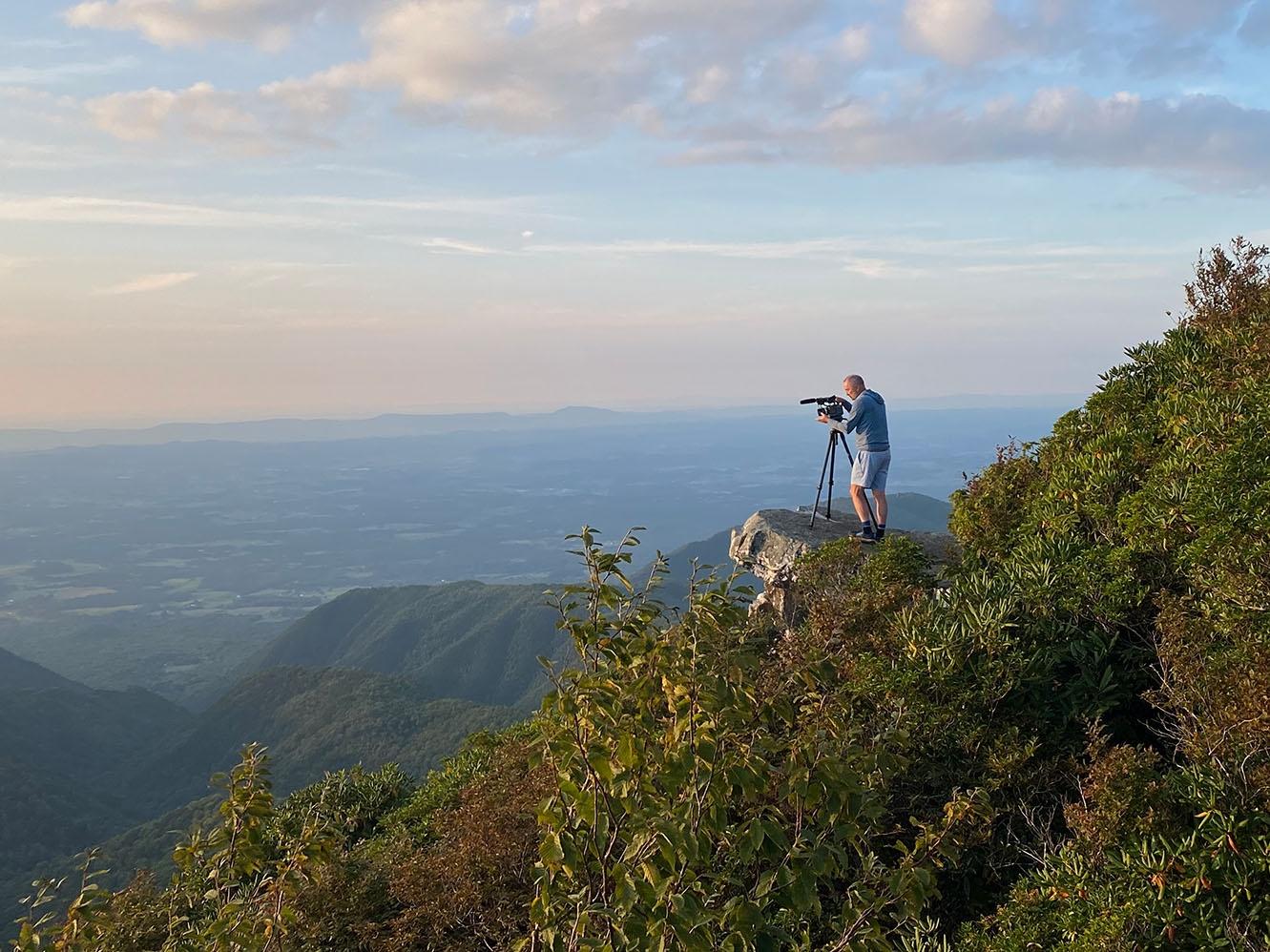
Paul Bonesteel on Blackstack Cliffs, TN.
Photo courtesy of Bryan Fowler
2 / 8
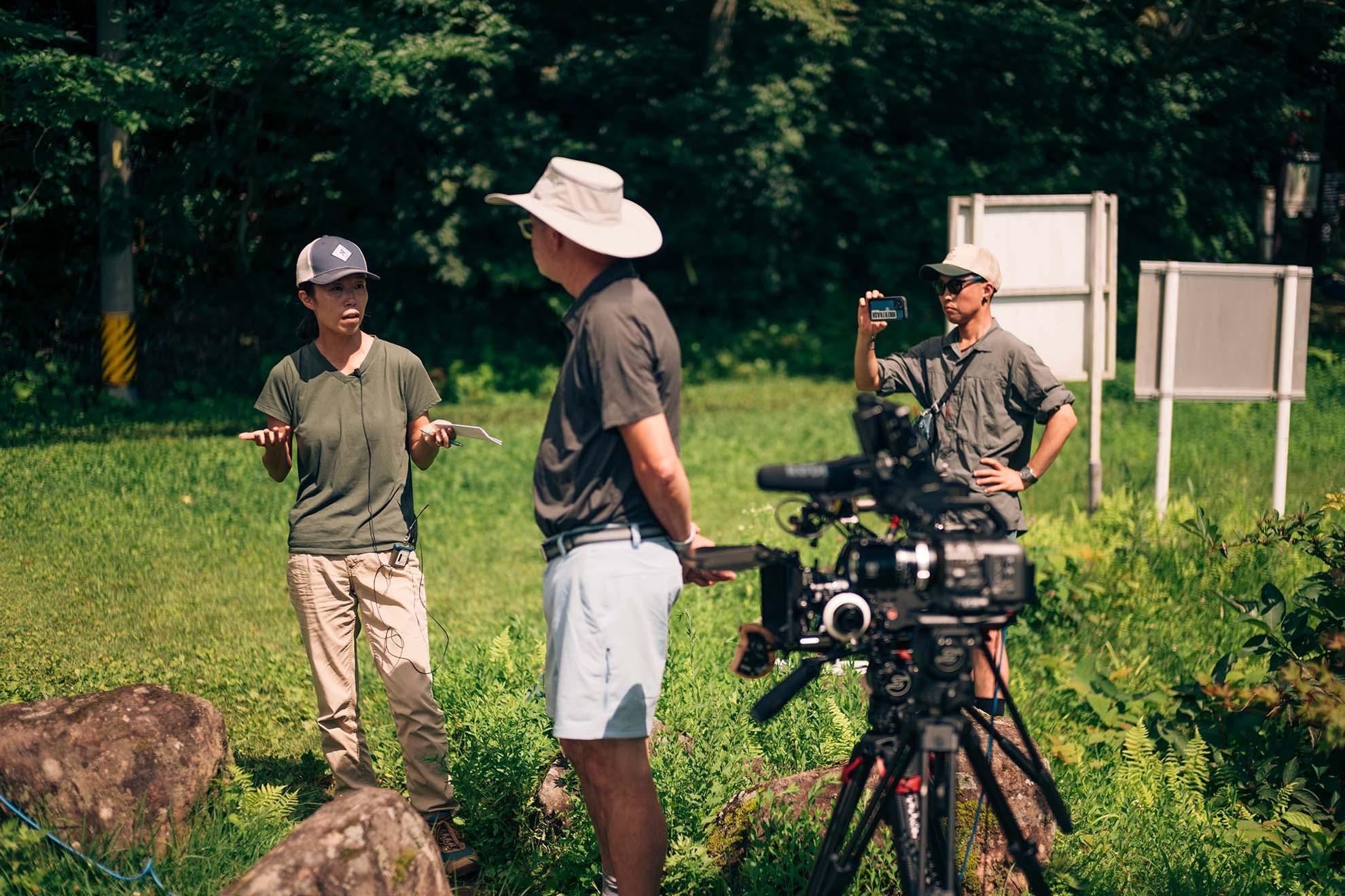
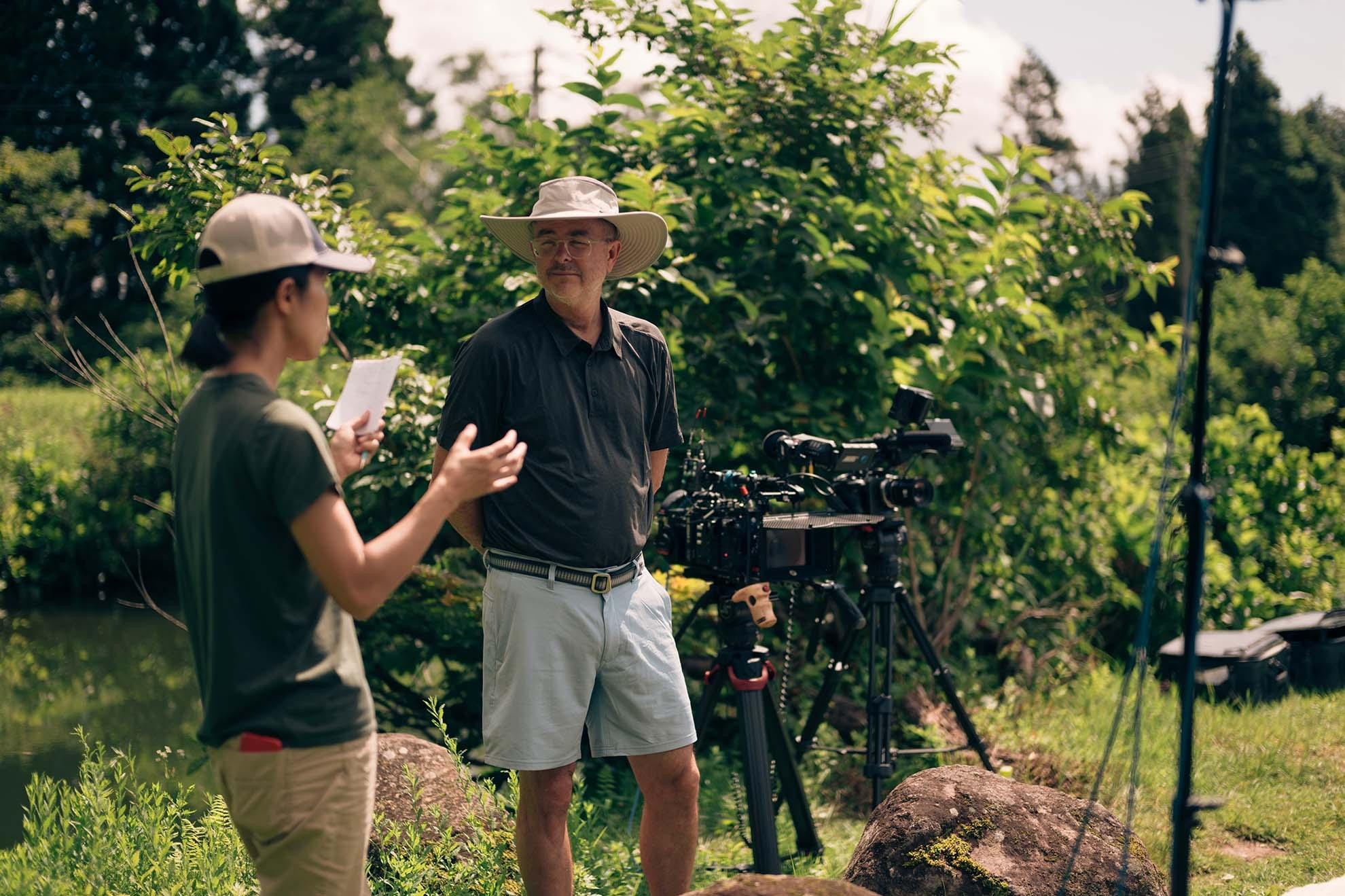
Director Paul Bonesteel with interpreter Kaoli Camplese and Yuki Satoh in Iiyama, Japan.
Photo courtesy of Janet McCue
3 / 8
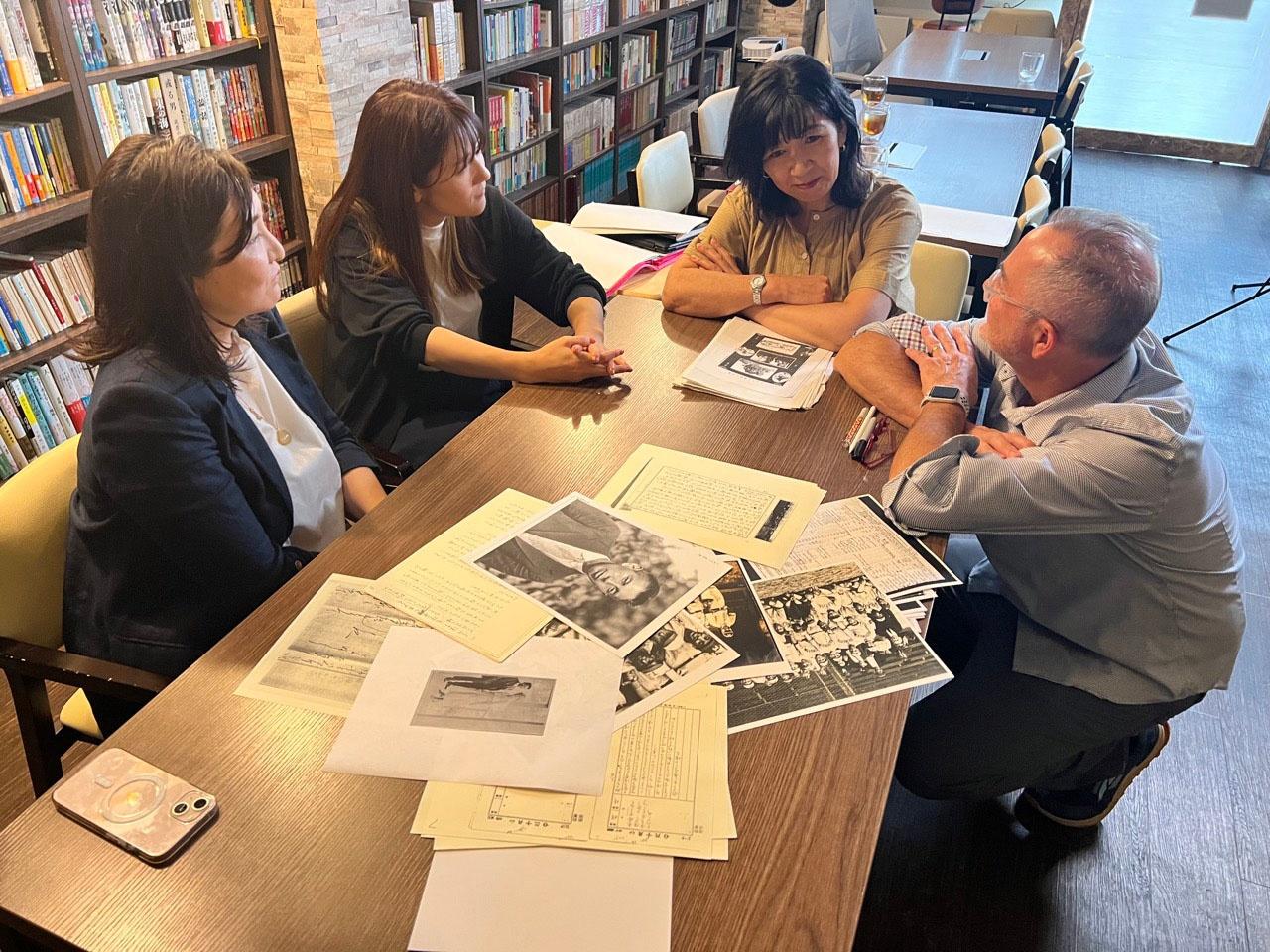
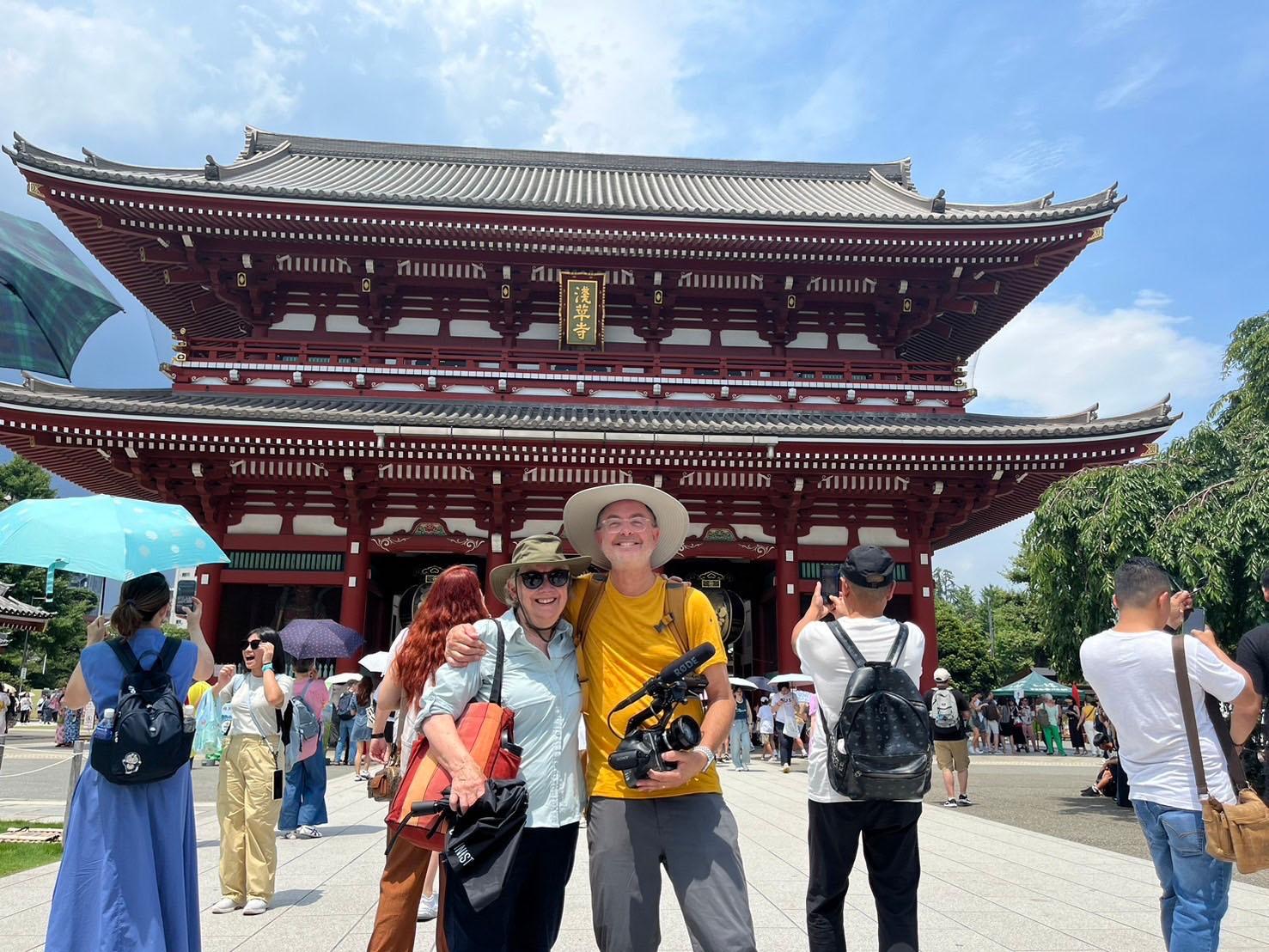
Paul Bonesteel with Tokyo research team in Tokyo, Japan.
Photo courtesy of Wes Cordell
4 / 8
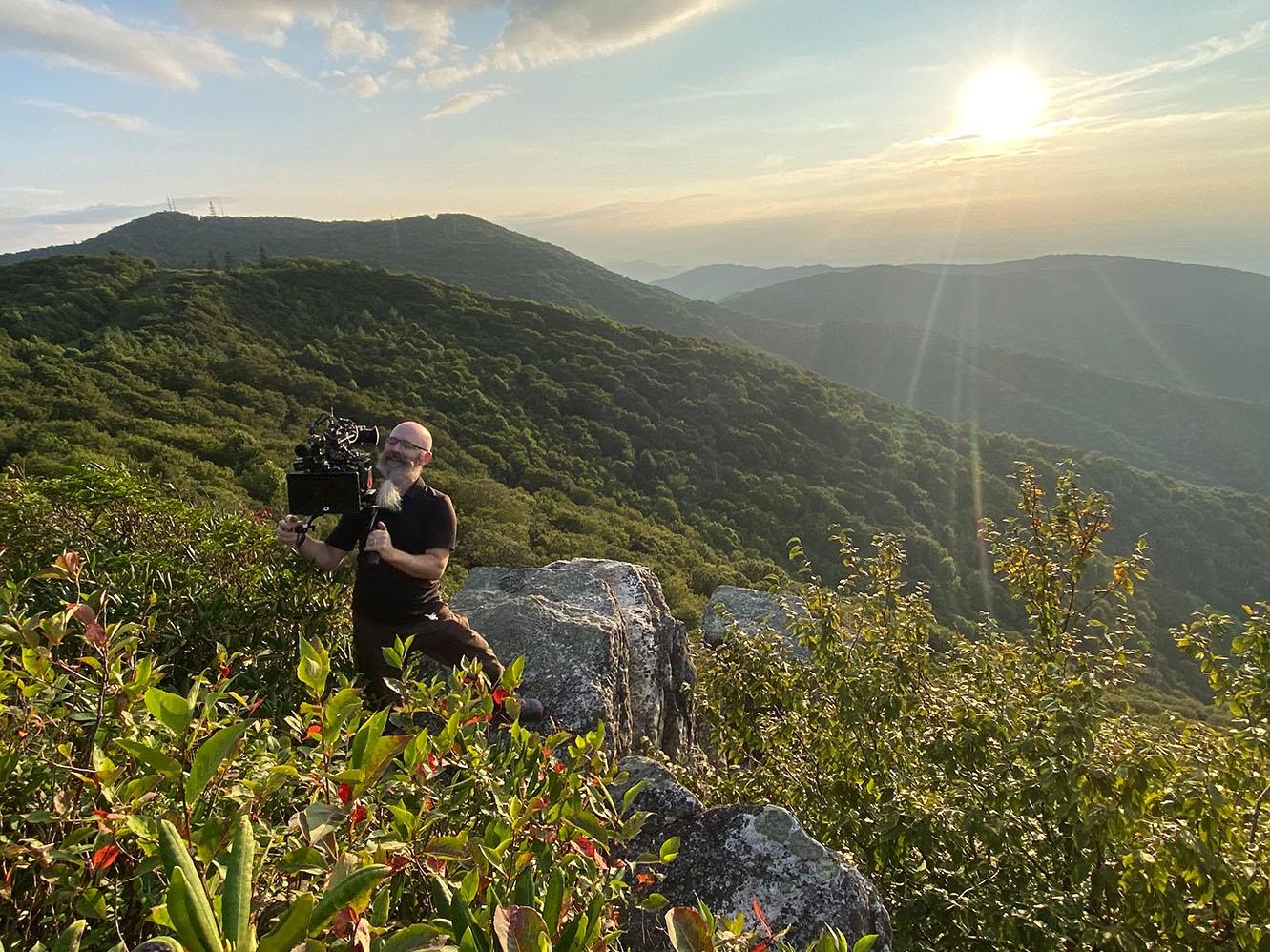
Director of Photography Bryan Fowler on Blackstack Rock, TN.
Photo courtesy of Bryan Fowler
5 / 8
Director Paul Bonesteel with interpreter Kaoli Camplese in Iiyama, Japan.
Photo courtesy of Nagomi Onda
6 / 8
Director Paul Bonesteel and co-writer and researcher Janet McCue in Tokyo, Japan.
Photo courtesy of Bryan Fowler
7 / 8
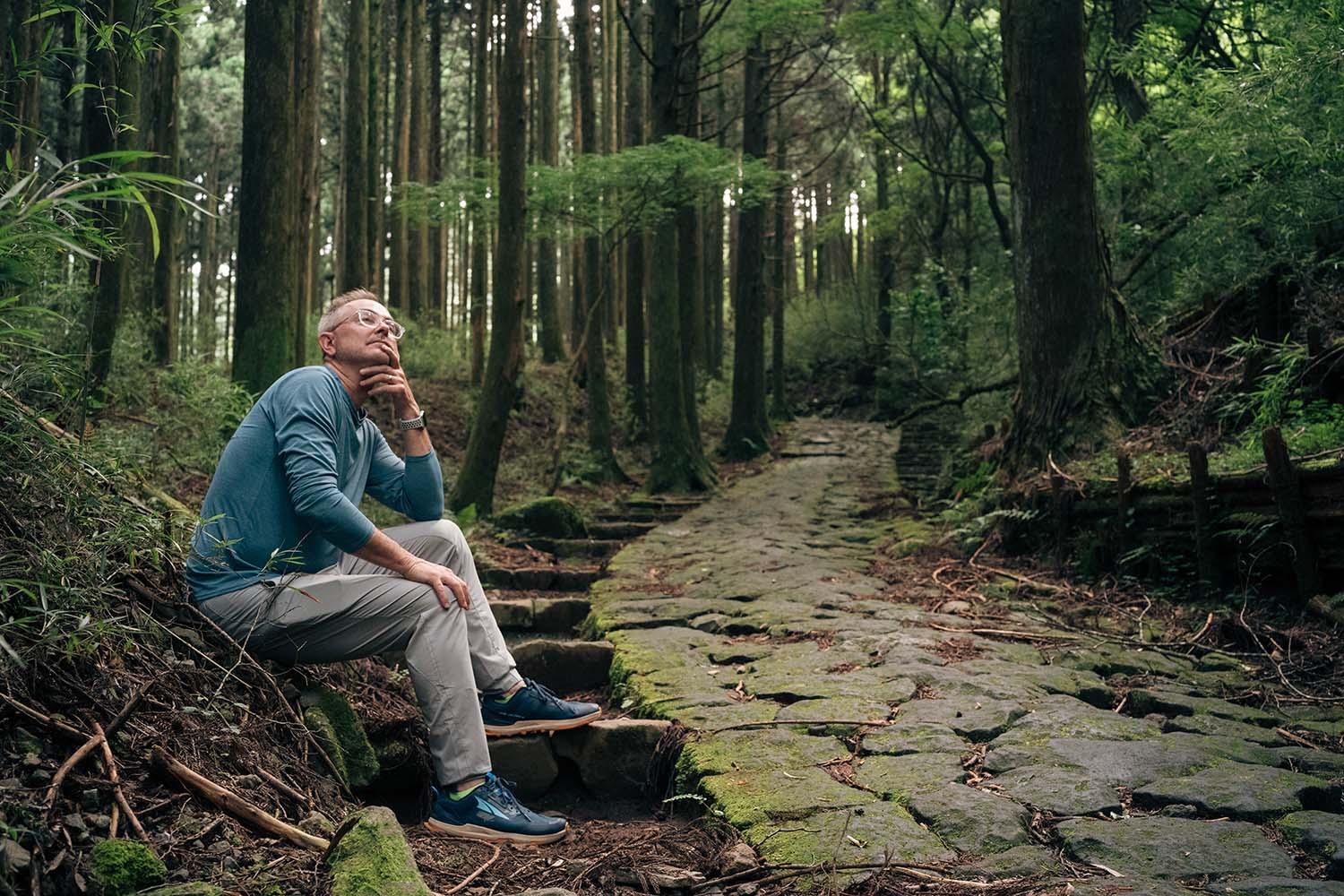
Paul Bonesteel on Tokido Road in Hakone, Japan.
Photo courtesy of Paul Bonesteel
8 / 8
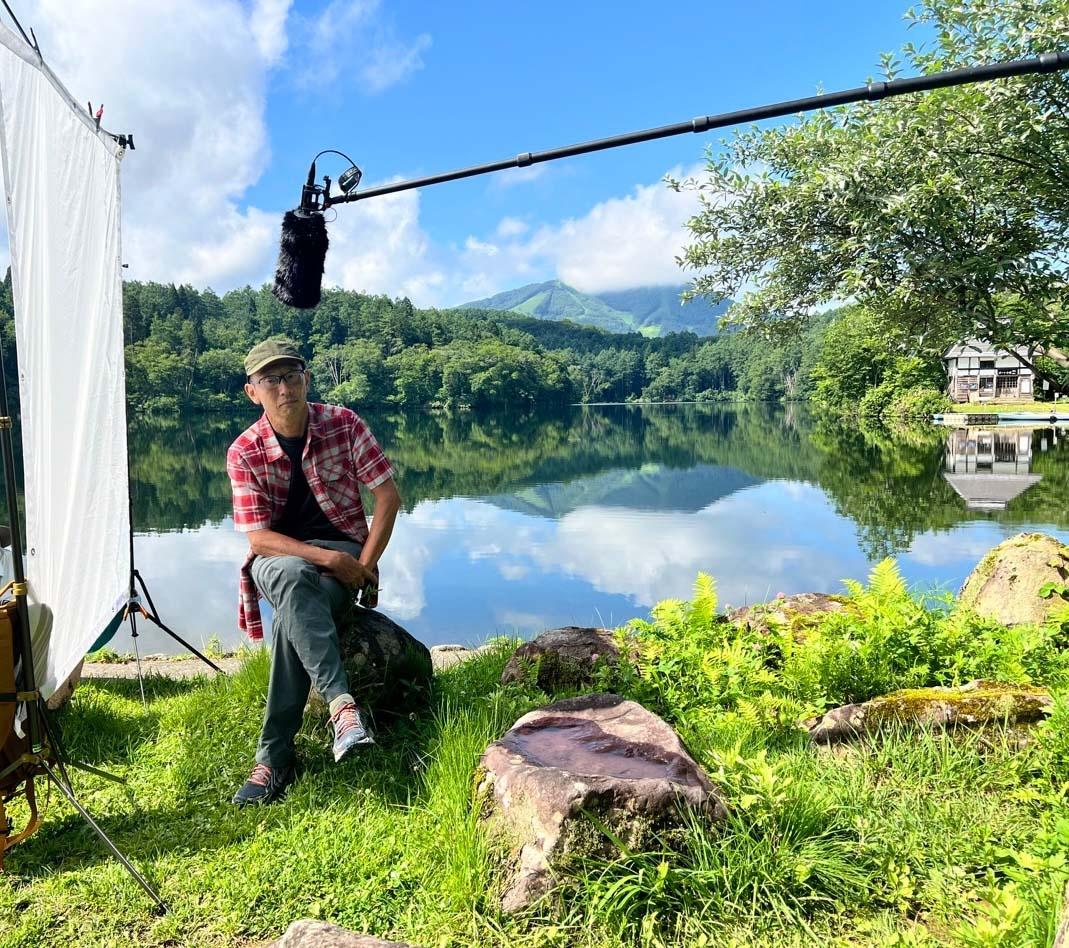
Photographer Hideki Hoshino, interview set up in Iiyama, Japan.
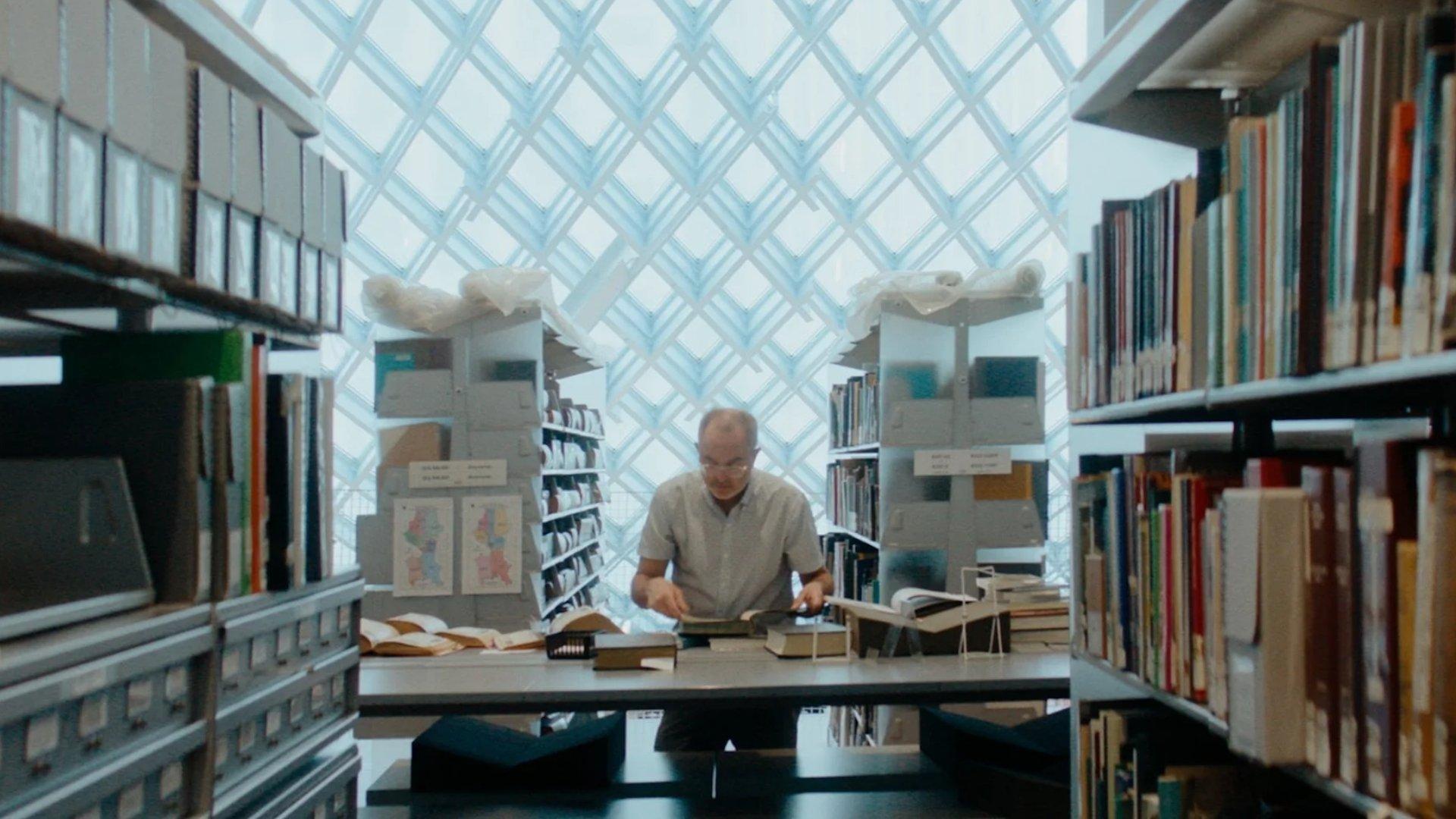
George Masa left behind more questions than answers. Trace the century-long investigation—by friends, historians, photographers and filmmakers—that slowly pieced together the life of one of Appalachia's most enigmatic figures. Explore the books, archival discoveries and primary sources behind the film.
Funding for A Life Reimagined: The George Masa Story was provided in part by Explore Asheville, Foundation For The Carolinas, North Carolina Humanities, Pickering Family Trust, Community Foundation of Henderson County, Perry Rudnick Fund, Omni Grove Park Inn, Smokies Life, Friends of the Smokies, Carlyle Adams Foundation and others.
.jpg)